Tag: Skilled Rehab

Breathing Therapy After Stroke: Enhancing Recovery & Quality of Life

Breathing Therapy After Stroke: Enhancing Recovery & Quality of Life 

Stroke is a debilitating condition that can cause significant muscle weakness throughout the body, including the muscles responsible for respiration. This can severely impact a patient’s ability to perform daily activities. Respiratory dysfunction occurs in 60% of stroke cases—what’s more, research has found an association between post-stroke apnea and cognitive decline.1  Fortunately, innovative devices like the ACPlus® Respiratory Assessment (ARA) and OmniFlow® Breathing Therapy Biofeedback System are designed to proactively identify and address these respiratory issues, enhancing recovery and improving quality of life for stroke patients. 

Proactively Identifying Breathing Issues with ACPlus® Respiratory Assessment (ARA) 
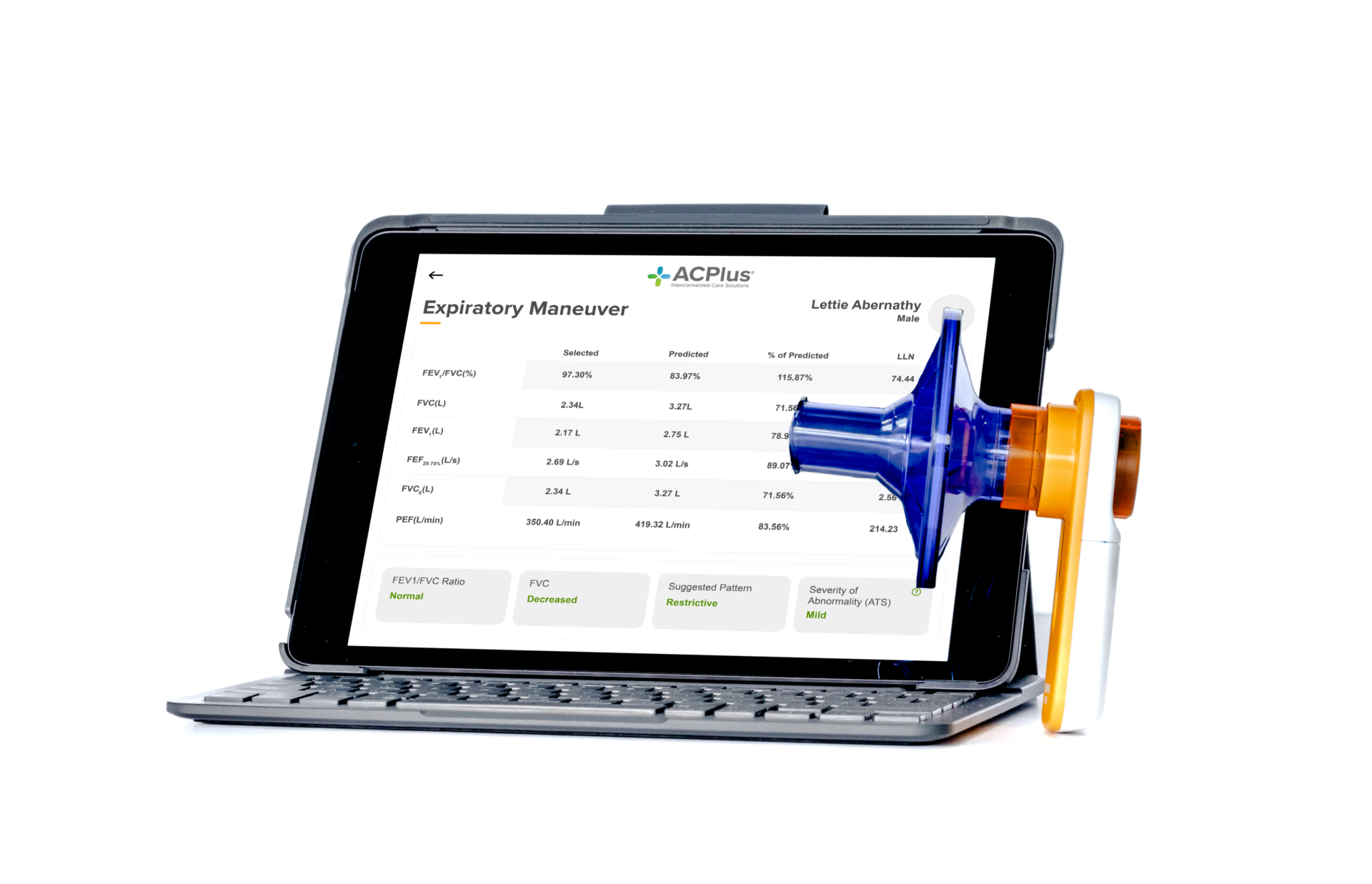
Stroke-induced respiratory dysfunction (SIRD) is associated with a higher 1-year mortality rate and worse functional outcomes, making it critical to catch as early as possible. ACPlus Respiratory Assessment (ARA) is uniquely designed to help clinicians proactively identify undiagnosed respiratory deficits. A clinician can conduct breathing tests that capture baseline metrics using an iPad and Bluetooth spirometer. ARA interprets that data to suggest possible lung disease patterns and severity levels. The clinical team can then use that data to develop the best treatment plan for that patient.

Delivering Targeted Interventions with OmniFlow® 

Once respiratory deficits are identified, targeted interventions can be initiated. The OmniFlow Breathing Therapy Biofeedback System offers a variety of engaging exercises designed to improve respiratory muscle function, including: 
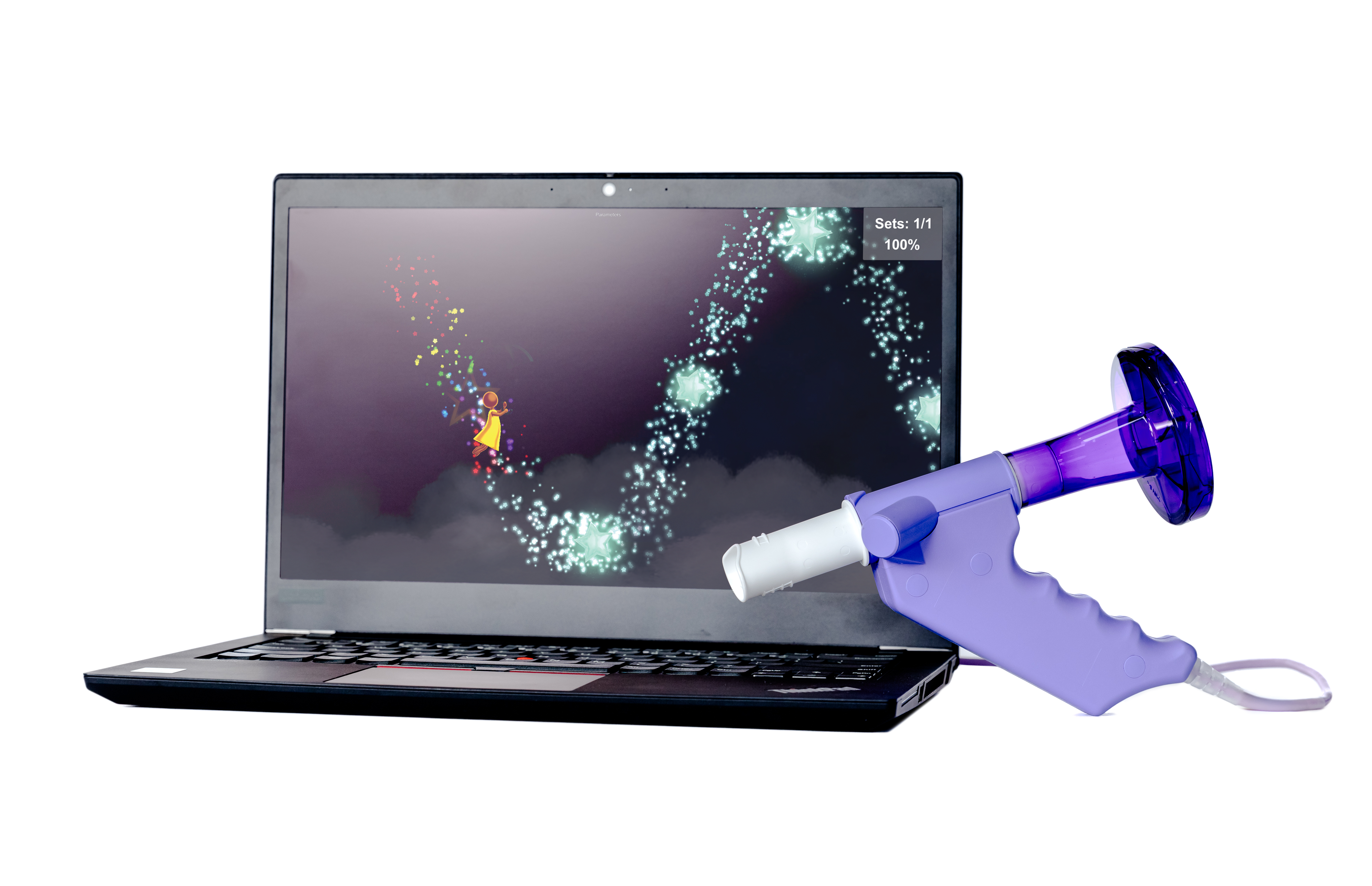
OmniFlow Breathing Therapy Biofeedback System
  • Rhythmic Breathing: Focuses on rhythmical inspiratory and expiratory breathing 
  • Deep Inhalation: Improves inspiratory muscle power and inspiratory vital capacity (IVC) 
  • Forced Expiration: Targets expiratory muscle power 
  • Controlled Expiration: Improves controlled expiratory volume and flow 
  • ACBT/Huff Technique: Teaches patients the Active Cycle of Breathing (ACBT)/Huff technique to clear secretions from the lungs 

OmniFlow provides valuable inhalation and exhalation data, helping clinicians better assess the patient’s condition and guide their treatment accordingly.

Benefits of Breathing Therapy Post-Stroke 

Incorporating clinically appropriate breathing therapy into post-stroke rehabilitation offers numerous benefits. Respiratory muscle training effectively improves pulmonary function, strength of expiratory and inspiratory muscles, and walking ability, which can help patients perform daily activities more efficiently.2 Better respiratory control can also reduce the risk of complications like pneumonia. Including innovative tools like ARA and OmniFlow in treatment plans can help stroke patients recover faster and more effectively.

  1. 1. Patrizz, A., El Hamamy, A., Maniskas, M., Munshi, Y., Atadja, L., Ahnstedt, H., Howe, M., Mulkey, D., McCullough, L., & Li, J. (2023). Stroke-induced respiratory dysfunction is associated with cognitive decline. Stroke, 54(7), 1863-1874. https://doi.org/10.1161/STROKEAHA.122.041239  ↩︎
  2. 2. Pozuelo Carrascosa, D., Carmona-Torres, J.M., Alberto Laredo-Aguilera, J.A., Pedro Ángel Latorre Román, P.A., Párraga Montilla, J. A., Cobo-Cuenca, A.I. (2020). Effectiveness of respiratory muscle training for pulmonary function and walking ability in patients with stroke: A systematic review with meta-analysis. International Journal of Environmental Research and Public Health, 17(15), 5356. https://doi.org/10.3390/ijerph17155356 ↩︎

MRK-BLOG-025

Did you know that respiratory dysfunction occurs in 60% of stroke cases? What’s more, research has found an association between post-stroke apnea and cognitive decline. Fortunately, innovative devices like the ACPlus Respiratory Assessment (ARA) and OmniFlow Breathing Therapy Biofeedback System are designed to proactively identify and address these respiratory issues, enhancing recovery and improving quality of life for stroke patients.
Relieving Pain & Restoring Mobility After Stroke

Relieving Pain & Restoring Mobility After Stroke 

This 66-year-old patient was referred to a skilled nursing facility for stroke rehabilitation. While hospitalized, he required a thrombectomy (procedure to remove blood clot), and he experienced right-sided weakness and general debility after being discharged. Before his stroke, he lived at home with his spouse, was independent with all functional mobility, and walked with a rolling walker. 

Therapy Protocol

Physical & Occupational Therapy

  • 4-5x/week x 4 weeks

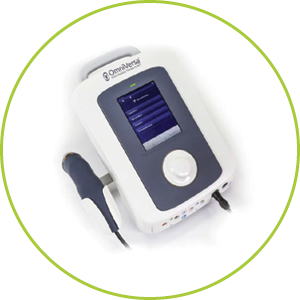
OmniVersa® Electrotherapy & Ultrasound System

  • Patterned Electrical Neuromuscular Stimulation (PENS) to the right arm and leg to decrease shoulder pain and for neuromuscular re-education and strengthening of the arm and leg

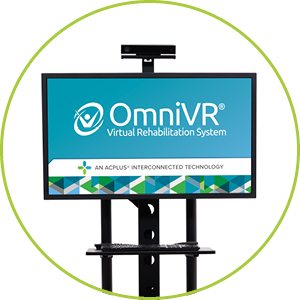
OmniVR® Virtual Rehabilitation System

  • Virtual reality exercise (bingo and flower garden) to improve transfers, balance, and gait

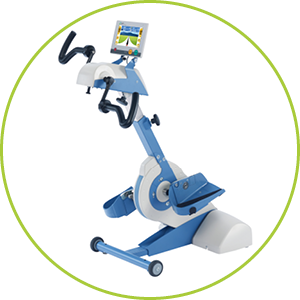
OmniCycle® Connect Advanced Active-Assist Cycle

  • Upper and lower extremity cycling neuro mode to promote improved endurance, strength, and reciprocal motor activity

Additional Interventions

  • Gait training, transfer training, balance re-education, therapeutic exercise, self-care retraining, and therapeutic activities

OmniVersa®

Electrotherapy & Ultrasound System

OmniVR®

Virtual Rehabilitation System

OmniCycle® Connect

Advanced Active-Assist Cycle

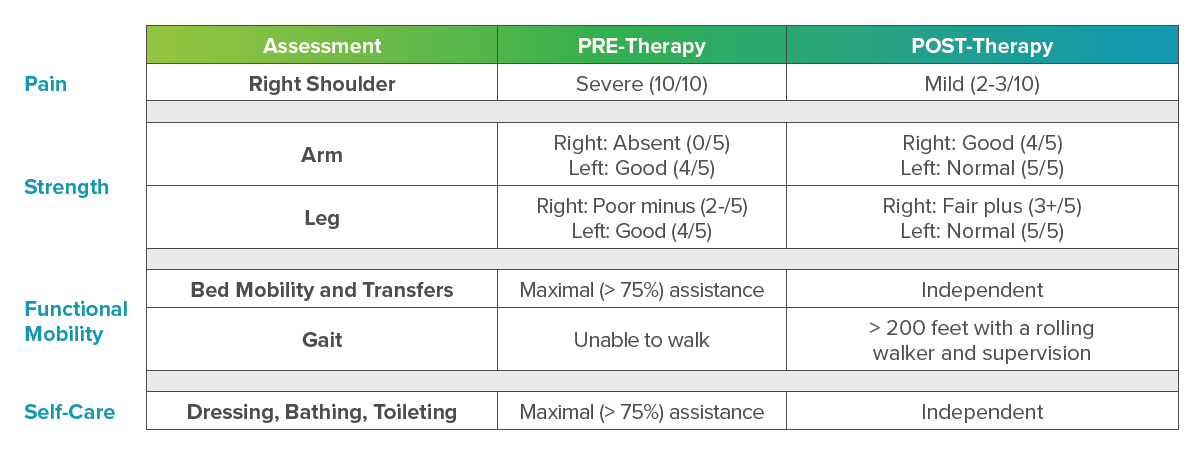
Following the 4-week stroke rehabilitation program the patient made significant strides: 

Relieving Pain & Restoring Mobility After Stroke

This patient is thrilled with the care he received and is so happy to be able to return home. He feels his therapy team really used all their tools to get him better as quickly as possible.

PENS really helped to improve his pain so he could participate in therapy with greater intensity, and it was also a big contributor to improving his strength on the affected side.

Therapist

MRK-BLOG-024

This 66-year-old patient was referred to a skilled nursing facility for stroke rehabilitation after experiencing weakness on his right side and general debility. Before his stroke, he lived at home with his spouse, was independent with all functional mobility, and walked with a rolling walker. Keep reading to learn more about the innovative tools and strategies his care team used to maximize his outcomes and help him return home.

Advanced Solutions for Effective Parkinson's Rehabilitation

Advanced Solutions for Effective Parkinson’s Rehabilitation 

According to the Parkinson’s Foundation, nearly 90,000 Americans receive a Parkinson’s disease (PD) diagnosis annually. Each diagnosis represents a patient and their loved ones facing a new reality that requires comprehensive support and innovative solutions. Parkinson’s rehabilitation that integrates exercise, biophysical agents, and innovative technologies can help these patients maintain independence and functionality longer. 

Understanding Parkinson’s Disease 

Parkinson’s disease is a progressive neurodegenerative disorder that impacts multiple aspects of movement and daily function. Patients often experience:

  • Bradykinesia (slow movement) 
  • Muscular rigidity 
  • Resting tremors 
  • Shuffling and freezing gait 
  • Poor postural control 
  • Impaired balance 

Exercise plays a key role in rehabilitation for this population, with additional benefits achieved by incorporating biophysical agents and rehabilitation technologies. Research demonstrates that exercise improves motor skill performance, which may be enhanced with cognitive engagement through feedback, cueing, dual-task training, and motivation.1 ACP provides several technologies that support this approach.

Virtual Reality Augmented Exercise

Moving Beyond Aerobics: The Benefits of Cycling in Rehabilitation  

The American Physical Therapy Association recommends moderate- to high-intensity aerobic exercise for Parkinson’s patients to improve VO2, reduce motor disease severity, and improve functional outcomes. They also recommend resistance training to improve strength, power, nonmotor symptoms, and quality of life.2 Forced exercise with motor-assisted cycling has specifically been shown to improve motor function.3 

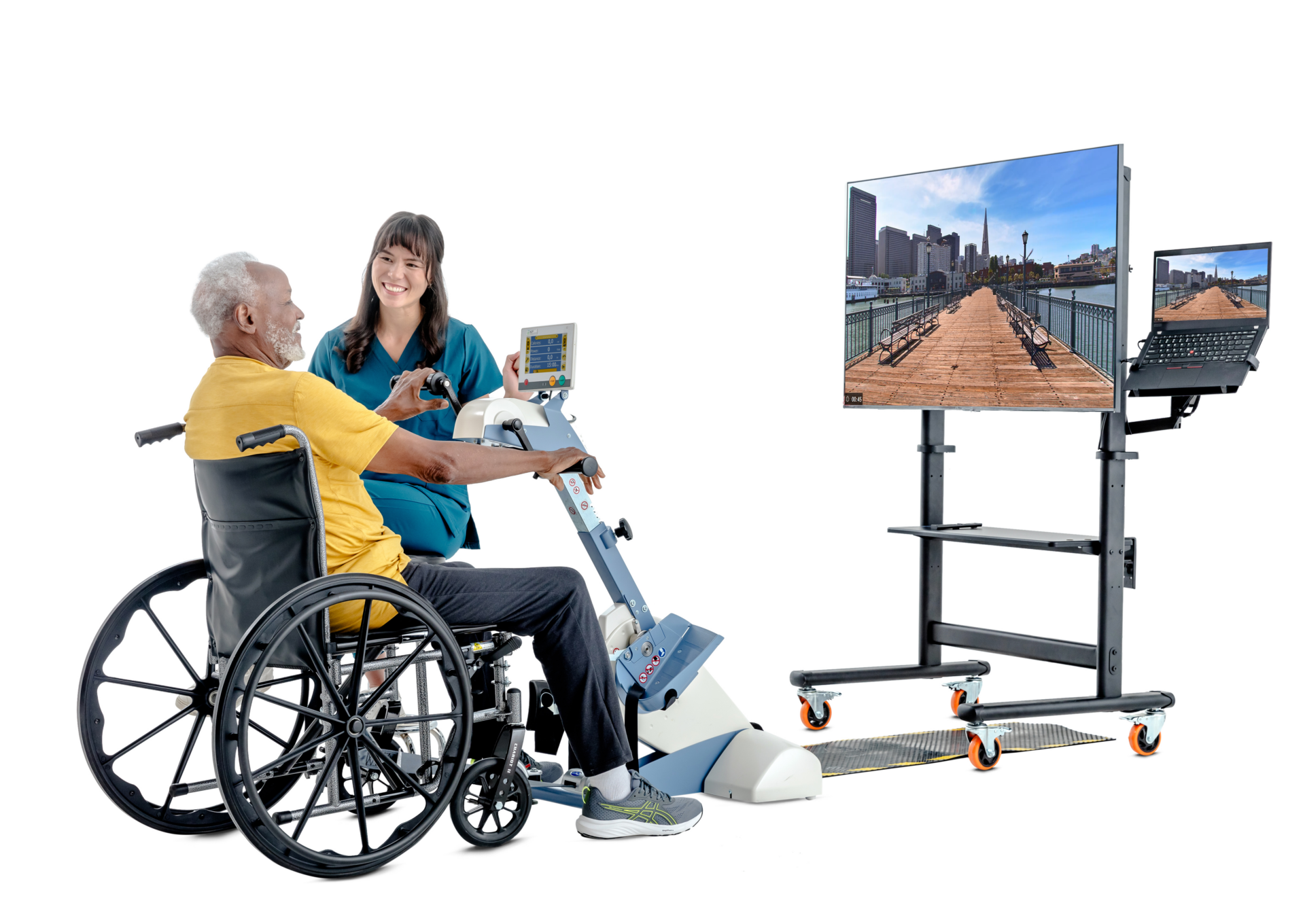
OmniCycle Connect®, paired with the OmniTour™ Virtual Exercise Experience, can help Parkinson’s patients reap the benefits of aerobic exercise while providing cognitive engagement through immersive cycling and memory games. 

Therapist considerations:

  • Facilitate proper sitting posture throughout the activity. 
  • Consider interval training to allow higher intensity with less fatigue. 
  • Use forced cycling at a higher speed compared to a self-selected pace. 
  • Integrate biofeedback activities to provide visual/auditory cues, changes in speed/direction, and dual-task challenges. 

There is also evidence that virtual reality rehab results in significantly greater improvement in balance and gait (BBS, TUG, and FGA) for Parkinson’s patients compared to conventional physical therapy.4 

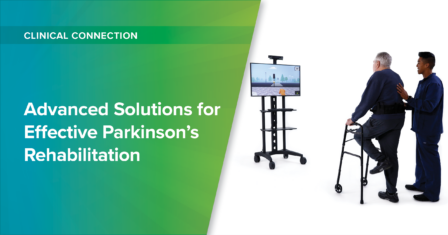
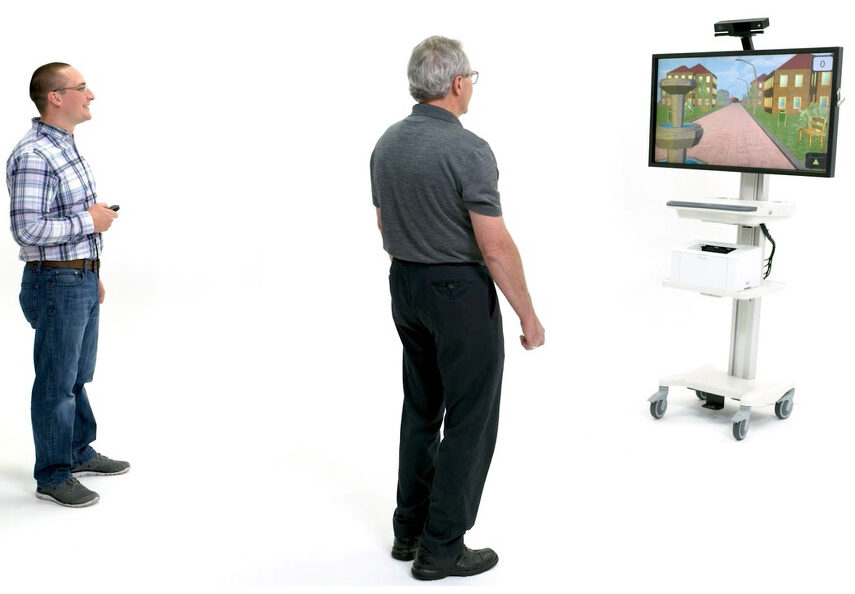
OmniVR® helps address patients’ cognitive impairment by incorporating activities that utilize memory and executive function. Through fun and interactive activities, patients are engaged and motivated to exercise harder and longer. 

Therapist considerations:

  • In the seated position, engage posture by varying support surfaces (firm, foam, balance ball). 
  • Vary speed with gait. 
  • Practice multi-directional movement. 
  • Progress to stepping over and avoiding obstacles. 
  • Perform squatting to facilitate picking something up from the floor.

E-Stim Enhanced Gait Training

Sensory electrical stimulation cueing during gait has been shown to reduce the time a patient needs to complete a walking task and the number of freezing gait episodes,5 which are common in many Parkinson’s patients.  

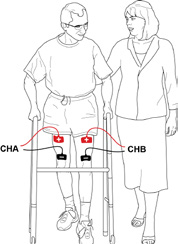
The OmniVersa® Multimodality Therapy System’s Patterned Electrical Neuromuscular Stimulation (PENS) function can help re-establish normal muscle recruitment and firing, maximizing the benefits of regular gait training.

Therapist considerations:

  • Use PENS UE and LE patterns to facilitate trunk and extremity exercise for improved posture control, strength, and coordination; apply during goal-oriented tasks when feasible. 
  • Use the PENS cycle or walk protocol to provide sensory/motor input to the CNS for gait initiation, symmetry, and cadence; vary the speed of the protocols. 

Empowering Patients & Clinicians 

Parkinson’s disease presents unique challenges and profound changes. By embracing innovative rehabilitation solutions, we can help these patients maintain their independence and quality of life longer.

  1. Petzinger, G. M., Fisher, B. E., McEwen, S., Beeler, J. A., Walsh, J. P., & Jakowec, M. W. (2013). Exercise-enhanced neuroplasticity targeting motor and cognitive circuitry in Parkinson’s disease. The Lancet. Neurology, 12(7), 716–726. https://doi.org/10.1016/S1474-4422(13)70123-6 ↩︎
  2. Osborne, J. A., Botkin, R., Colon-Semenza, C., DeAngelis, T. R., Gallardo, O. G., Kosakowski, H., Martello, J., Pradhan, S., Rafferty, M., Readinger, J. L., Whitt, A. L., & Ellis, T. D. (2022). Physical therapist management of Parkinson disease: A clinical practice guideline from the American Physical Therapy Association. Physical Therapy, 102(4), pzab302. https://doi.org/10.1093/ptj/pzab302 ↩︎
  3. Miner, D. G., Aron, A., & DiSalvo, E. (2020). Therapeutic effects of forced exercise cycling in individuals with Parkinson’s disease. Journal of the Neurological Sciences, 410, 116677. https://doi.org/10.1016/j.jns.2020.116677 ↩︎
  4. Feng, H., Li, C., Liu, J., Wang, L., Ma, J., Li, G., Gan, L., Shang, X., & Wu, Z. (2019). Virtual reality rehabilitation versus conventional physical therapy for improving balance and gait in Parkinson’s disease patients: A randomized controlled trial. Medical Science Monitor: International Medical Journal of Experimental and Clinical Research, 25, 4186–4192. https://doi.org/10.12659/MSM.916455 ↩︎
  5. Rosenthal, L., Sweeney, D., Cunnington, A. L., Quinlan, L. R., & ÓLaighin, G. (2018). Sensory electrical stimulation cueing may reduce freezing of gait episodes in Parkinson’s disease. Journal of Healthcare Engineering, 2018, 4684925. https://doi.org/10.1155/2018/4684925   ↩︎

MRK-BLOG-023

According to the Parkinson’s Foundation, nearly 90,000 Americans receive a Parkinson’s disease (PD) diagnosis annually. Discover how exercise, biophysical agents, and innovative technologies can help these patients maintain independence and functionality longer.

Virtual Reality Rehabilition: Improving Strength and Functional Mobility

Virtual Reality Rehabilition: Improving Strength and Functional Mobility 

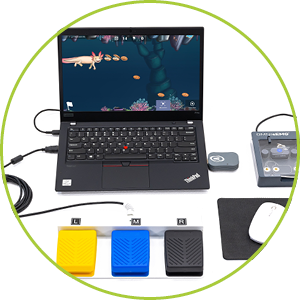
While battling kidney cancer, this 72-year-old patient began experiencing weakness, foot drop, coordination deficits, and an unsteady gait. Before being referred to a skilled nursing facility for rehabilitation service, he lived at home with his wife, ambulated with a walker, and required some assistance with self-care.

Therapy Protocol

Physical & Occupational Therapy

  • 3-5x/week x 8 weeks

OmniVR® Virtual Rehabilitation System

  • Virtual reality exercise performed using Carnival, Bingo, and Picnic activities with progression in intensity and resistance to increase arm and leg strength

Additional Interventions

  • Training in transfers and gait; self-care management 

OmniVR®

Virtual Rehabilitation System

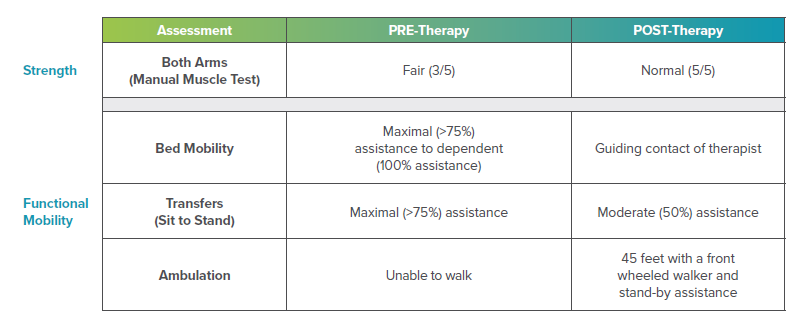
Following the 8-week rehabilitation program, enhanced with virtual reality, the patient demonstrated notable progress: 

Virtual Reality Rehabilition: Improving Strength and Functional Mobility

The patient’s therapist shared that he made significant progress in strength and functional mobility using OmniVR®’s virtual exercise activities, allowing him to achieve his goal of returning home with his wife!  

MRK-BLOG-022

While battling kidney cancer, this 72-year-old patient began experiencing weakness, foot drop, coordination deficits, and an unsteady gate. Before being referred to a skilled nursing facility for rehabilitation service, he lived at home with his wife, ambulated with a walker, and required some assistance with self-care. Find out how his therapy team used virtual reality rehabilitation to help get him home.

Reversing Patient Frailty with Innovative Rehab Technologies

Reversing Patient Frailty with Innovative Rehab Technologies  

Patients with pulmonary dysfunction, those who are acutely ill, or those who have been hospitalized for extended periods often face the risk of deconditioning or developing muscle weakness. Even healthy individuals can become deconditioned and frail if they decrease their activity level.

While the negative impacts of short-term inactivity can typically be reversed in younger people, it is much more difficult for older adults.1 Frailty and pre-frailty are significant predictors of nursing home placement among community-dwelling older adults.2 

That’s why it’s crucial for rehab professionals to continue emphasizing activity and engagement in therapy. Clinicians can leverage tools like ACP’s e-stim, cycling, virtual reality (VR), and balance trainers to maximize clinical outcomes.  

Cycling

High-intensity interval training (HIIT) has been shown to increase cardiorespiratory fitness and exercise capacity for patients with COPD.3 For patients with heart failure, the American Physical Therapy Association (APTA) specifically recommends cycling as part of their aerobic and HIIT training.4 

Reversing patient frailty with cycling

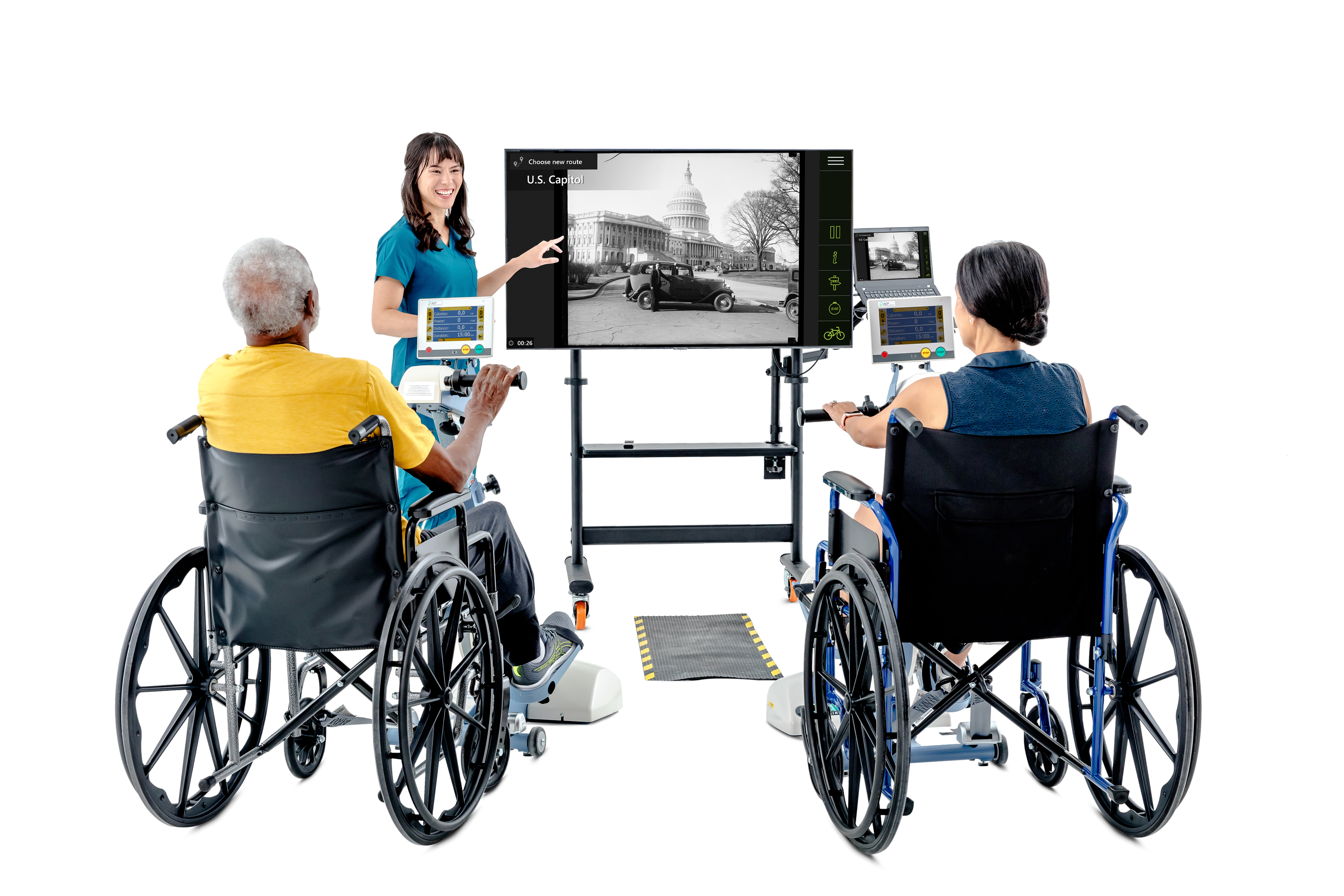
The OmniCycle® Connect is a great option for rehab gyms because it offers adjustable resistance levels and can adapt to patient’s physical limitations. Interval training may be used to increase the overall time and intensity of training. Paired with the OmniTour ™, patients can virtually cycle through outdoor landscapes, motivating them to train more often and with greater effort.

Virtual Reality

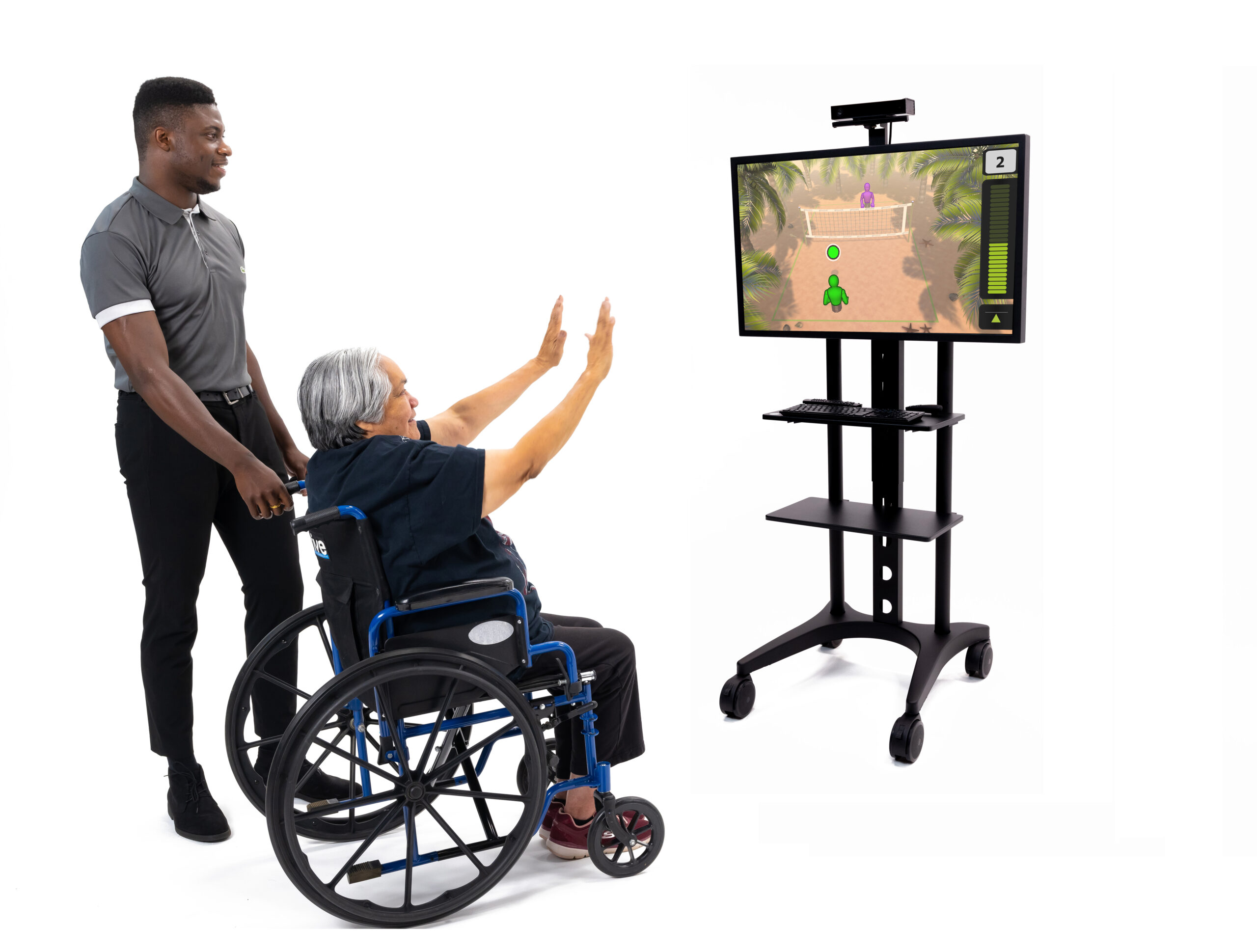
Therapy incorporating VR technology has been shown to increase patient motivation.5 With the OmniVR®, patients can perform exercises while sitting or standing, depending on their ability and the activity’s focus.

Reversing patient frailty with virtual reality

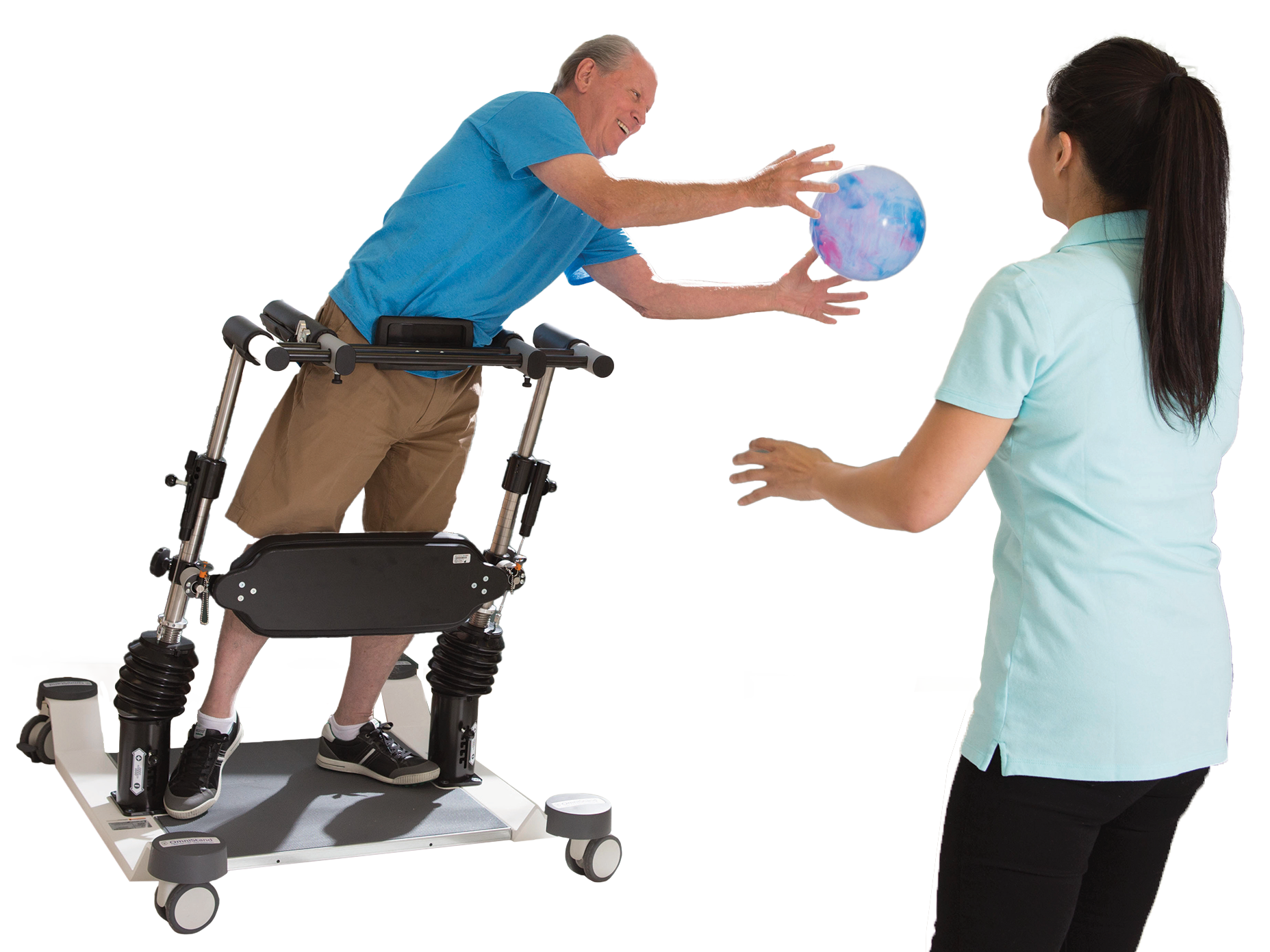
Balance Trainer

The OmniStand® is designed for patients who cannot stand independently, providing varied support and assistance. When combined with the OmniVR®, balance training becomes more fun and engaging, while also improving functional abilities.

Reversing patient frailty with balance training

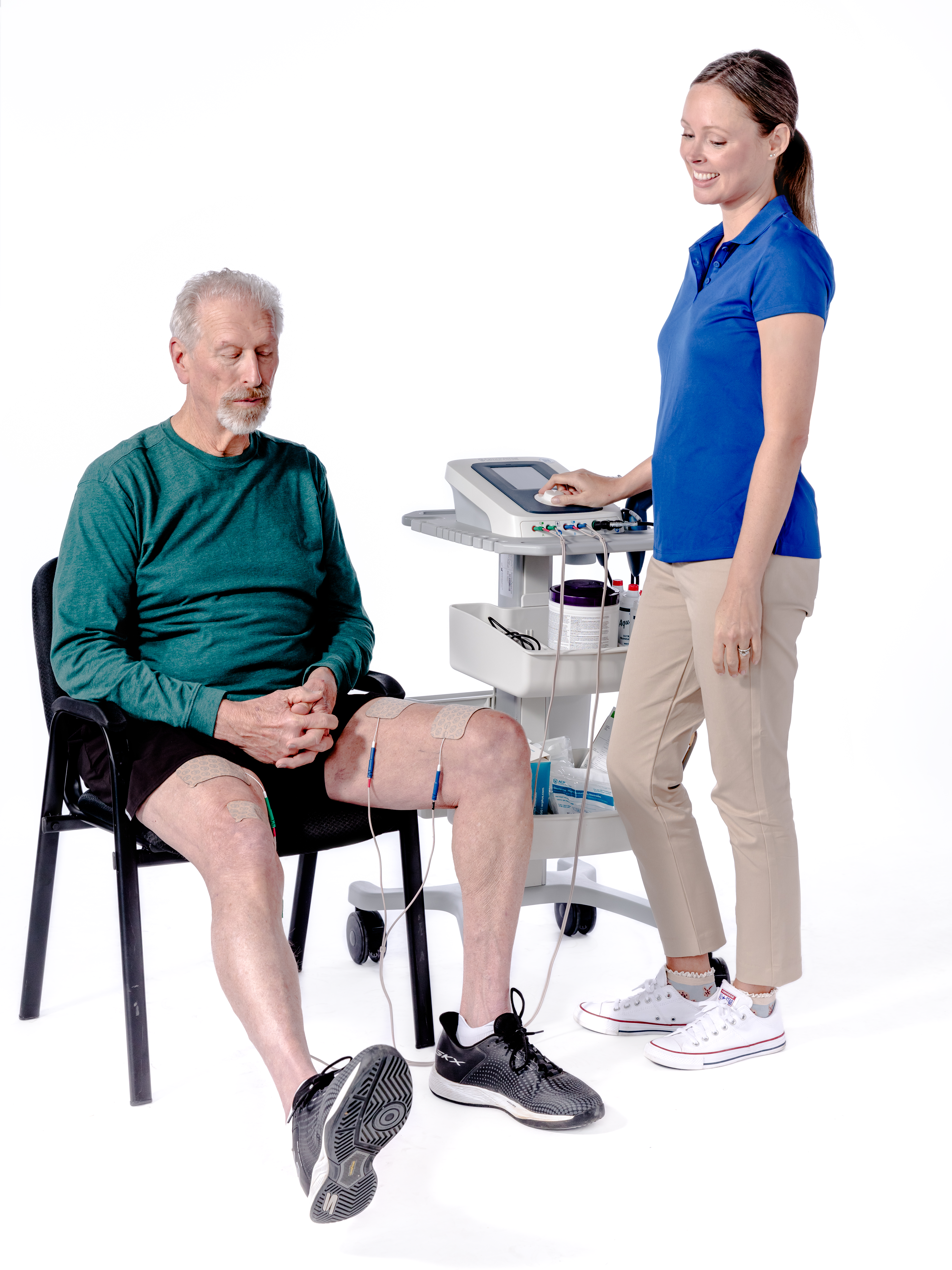
E-Stim

Patterned electrical neuromuscular stimulation (PENS) applied to the quadriceps and hamstring muscles of patients with COPD results in 30% increased strength and 34% increased walking distance.6 Using OmniVersa®‘s PENS function before or during exercise can help re-establish normal muscle recruitment and firing. 

Reversing patient frailty with e-stim

Thing to Keep in Mind 

Vital signs like heart rate (HR), blood pressure (BP), O2 saturation, respiratory rate (RR), and rate of perceived exertion (RPE) should be assessed before, during, and after exercise to help determine the appropriate amount of activity or the need for rest. Clinicians should also use standardized outcome measures at the patient’s baseline and throughout treatment to track and document progress. 

  1. Bowden Davies, K. A., Pickles, S., Sprung, V. S., Kemp, G. J., Alam, U., Moore, D. R., Tahrani, A. A., Cuthbertson, D. J. (2019). Reduced physical activity in young and older adults: metabolic and musculoskeletal implications. Therapeutic Advances in Endocrinology and Metabolism. 10, 1-15. ↩︎
  2. Gotaro, K. (2018). Frailty as a predictor of nursing home placement among community-dwelling older adults: A systematic review and meta-analysis. Journal of Geriatric Physical Therapy. 41(1), 42-48. Rutkowski, S., Rutkowska, A., Kiper, P., Jastrzebski, D., Racheniuk, H., Turolla, A., Szczegielniak, J., Casaburi, R. (2020). Virtual reality rehabilitation in patients with chronic obstructive pulmonary disease: A randomized controlled trial. International Journal of Chronic Obstructive Pulmonary Disease. 15, 117-124 ↩︎
  3. Sawyer, A. Cavalheri, V., Hill, K. (2020). Effects of high intensity interval training on exercise capacity in people with chronic pulmonary conditions: a narrative review. BMC Sports Medicine and Rehabilitation. 12, 22. https://doi.org/10.1186/s13102-020-00167-y ↩︎
  4. Shoemaker, M. J., Dias, K. J., Lefebvre, K. M., Heick, J. D., & Collins, S. M. (2020). Physical therapist clinical practice guideline for the management of individuals with heart failure. Physical Therapy, 100(1), 14-43. https://doi.org/10.1093/ptj/pzz127  ↩︎
  5. Kizmaz, E., Telli Atalay, O., Çetin, N., & Ugurlu, E. (2024). Virtual reality for COPD exacerbation: A randomized controlled trial. Respiratory Medicine, 230, 107696. https://doi.org/10.1016/j.rmed.2024.107696 ↩︎
  6. Bourjeily-Habr, G., Rochester, C. L., Palermo, F., Synder, P., Mohsenin, V. (2002). Randomized controlled trial of transcutaneous electrical nerve stimulation of the lower extremities in patients with chronic obstructive pulmonary disease. Thorax, 57(2), 1045-1049 ↩︎

MRK-BLOG-021

Patients with pulmonary dysfunction, those who are acutely ill, or those who have been hospitalized for extended periods often face the risk of deconditioning or developing muscle weakness. Even healthy individuals can become deconditioned and frail if they decrease their activity level. While the negative impacts of short-term inactivity can typically be reversed in younger people, it is much more difficult for older adults. Frailty and pre-frailty are significant predictors of nursing home placement among community-dwelling older adults. That’s why it’s crucial for rehab professionals to continue emphasizing activity and engagement in therapy. Learn how you can leverage tools like ACP’s e-stim, cycling, virtual reality (VR), and balance trainers to maximize clinical outcomes.

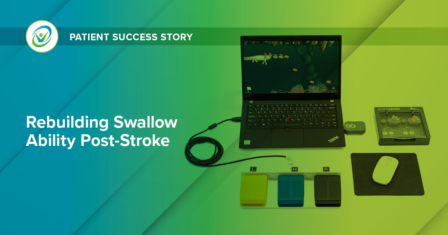
Swallowing Post-Stroke

Rebuilding Swallow Ability Post-Stroke

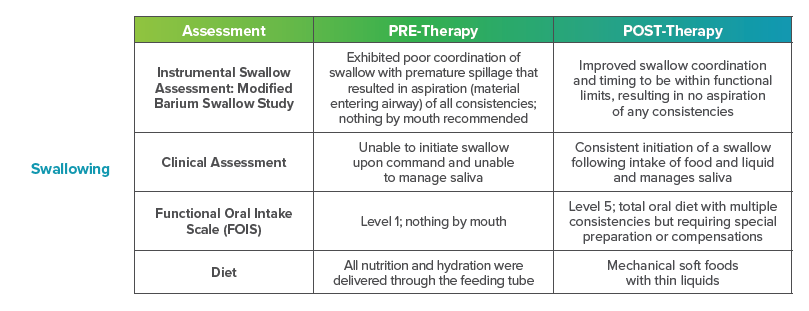
After experiencing a stroke that resulted in hospitalization, this 65-year-old patient was admitted to a skilled nursing facility for rehabilitation services. His swallow initiation was inconsistent, and he had difficulty managing his secretions, ultimately being diagnosed with oropharyngeal dysphagia (difficulty swallowing). He enjoyed a regular diet before his stroke, but because he could not take any food or liquid by mouth, a feeding tube was placed. 

Therapy Protocol

Speech Therapy

  • 5x/week x 3 weeks

Synchrony Dysphagia Solutions by ACP® with OmnisEMG Biofeedback 

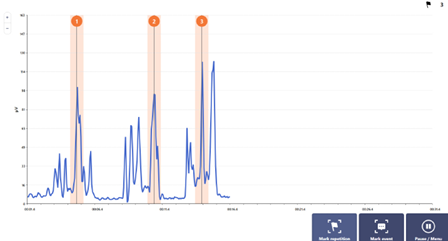
  • Typical swallows with ice chips for swallow initiation using Trace Display and Bow and Arrow virtual reality (VR) representation of muscle movement 
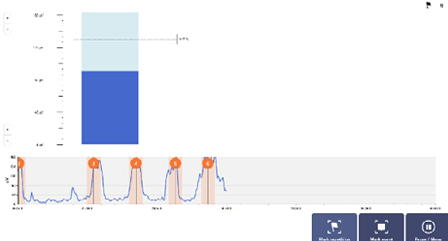
  • Effortful swallows with nectar thick consistency and progressive challenge with increased viscosity and volume to improve swallow strength using Bar Graph VR representation 

Additional Interventions

  • Thermal stimulation to facilitate swallow initiation 

Synchrony Portable

Dynamic Balance System

Trace Display

Bow and Arrow

Bar Graph

Swallowing Post-Stroke

This patient is thrilled with the outcome of his therapy. He had this to share about his treatment using Synchrony: 

Thank you for everything you did! I can’t wait to get home and eat food again.

Patient

MRK-BLOG-020

After experiencing a stroke that led to hospitalization, this 65-year-old patient was admitted to a skilled nursing facility for rehabilitation services. His swallow initiation was inconsistent, and he had difficulty managing his secretions. As a result, he was diagnosed with oropharyngeal dysphagia (difficulty swallowing), and a feeding tube was placed. Learn how his speech therapy team utilized Synchrony Dysphagia Solutions by ACP® to improve his swallow coordination and help him return to an oral diet.

2025 Skilled Nursing Facility Industry Outlook

2025 Skilled Nursing Facility Industry Outlook 

The highlights:

  • A 4.2% increase in Medicare Part A payments to SNFs for FY 2025 provides essential financial support amid rising operational costs.
  • CMS is taking steps to reform prior authorizations in response to growing concerns over Medicare Advantage denials.
  • Occupancy rates are recovering and projected to return to pre-pandemic levels, while staffing shortages remain a major concern.
  • Technology will continue to play an increasingly significant role in driving operational efficiencies.

The skilled nursing facility (SNF) landscape continues to evolve in 2025, shaped by regulatory changes and challenges, rising demand, continued workforce shortages, and technological advancements. As the industry adapts to post-pandemic realities, several key trends are emerging that will impact patients and providers in 2025.

Medicare Rate Increases

In a welcomed development for SNF operators, the Centers for Medicare & Medicaid Services (CMS) implemented a 4.2% increase in Medicare Part A payments to SNFs in Fiscal Year (FY) 2025. This adjustment provides much-needed financial support for facilities facing rising operational costs.  

Medicare Advantage Denials Draw Scrutiny

The U.S. Senate Permanent Subcommittee on Investigations published a report last year on the growing denial rate for post-acute care for Medicare Advantage (MA) beneficiaries. Their investigation found that the largest MA insurers are disproportionately leveraging the prior authorization process to deny stays in post-acute care facilities. In an effort to improve access, CMS has taken steps to reform prior authorizations and hold MA and Part D plans more accountable for delivering high-quality coverage.  

SNF Value-Based Purchasing Program Focuses on Hospital Readmissions

Through the SNF Value-Based Purchasing (VBP) Program, CMS awards SNFs incentive payments for improved quality of care. For FY 2025, performance in the SNF VBP Program is centered around a single measure of all-cause hospital readmissions. Facilities that excel in preventing readmissions will be well-positioned to maximize their incentive payments in 2025. By leveraging ACP’s evidence-based clinical programming and advanced rehab technologies, SNFs can identify at-risk patients earlier, implement targeted interventions, and reduce readmission rates.  

Occupancy Trends Up

The industry is seeing encouraging signs of recovery in occupancy rates. According to recent data from the National Investment Center for Seniors Housing & Care (NIC), senior housing, assisted living, and independent living occupancy rates reached 86.5% in Q4 2024 and are projected to return to pre-pandemic levels this year. This growth and a decline in operational bed inventory suggest a strengthening demand for SNF services. 

Workforce Challenges Continue

Staffing challenges remain a concern for many SNFs in 2025 and beyond. The Health Resources and Services Administration (HRSA) predicts a deficit of nearly 80,000 full-time RNs in 2025, a concerning shortage that could continue into 2037. With increased demand for post-acute care, the industry must embrace creative staffing solutions and care delivery models to bridge this gap. Through robust training programs and ongoing clinical support, ACP helps facilities maximize their workforce capabilities. By equipping staff with the latest techniques, ACP enables SNFs to maintain high care standards despite staffing constraints.  

Leveraging Technology to Drive Efficiency

In 2025, providers will continue to turn to technology to help solve some of the industry’s most pressing challenges. As SNFs seek solutions to enhance operational efficiencies, reduce costs, and maintain high-quality care, platforms like ACPlus will lead the way. By interconnecting patients, devices, and EHR systems, ACPlus can streamline clinical workflows and drive better outcomes. Through the app, clinicians can conduct objective assessments to inform care planning. Our latest module within the app, ACPlus Respiratory Assessment (ARA), transforms respiratory care by helping SNFs identify patients with pulmonary dysfunction and generating treatment recommendations – demonstrating how sophisticated technology can both improve patient outcomes and drive efficiencies. 

MRK-BLOG-018

The skilled nursing facility landscape continues to evolve in 2025, shaped by regulatory changes and challenges, rising demand, continued workforce shortages, and technological advancements. As the industry adapts to post-pandemic realities, several key trends are emerging that will impact patients and providers in 2025.

ACP Certification for Nursing Clinicians

Introducing: ACP Certification for Nursing Clinicians

Last year, we introduced ACP clinical program certifications for clinicians and facilities. These certifications provide advanced training in five of our evidence-based clinical programs and are designed to enhance clinicians’ expertise, elevate facilities’ standard of care, and ultimately improve patient outcomes.  

Thanks to the positive feedback we have received from clinicians nationwide, we are thrilled to announce the expansion of our certification offerings to include nursing clinicians. This underscores our dedication to fostering interdisciplinary collaboration and expands our existing nursing clinical education offerings, providing our partners with even more opportunities for professional development.   

ACP Nursing Certification 

ACP Clinical Program Certifications are now available for rehab and nursing clinicians and facilities for the following clinical programs: 

To become ACP Certified in a specific program, nursing clinicians must complete the following: 

  • Program-specific core content 
  • One program or patient reflection summary 

Additional Online Nursing Continuing Education Courses 

In addition to our clinical program certifications, ACP also offers 15 BRN-approved* on-demand nursing continuing education courses via ACP University. These courses are designed to address geriatric patient conditions and facility program needs, covering essential interdisciplinary competencies such as chronic wound management, COPD management, fall prevention, and more, (with neuro courses coming soon)! View the entire on-demand course library here.

Non-CE Nursing Education Opportunities 

ACP partners also have access to non-CE education via live and on-demand webinars at no additional cost. Topics range from clinical programming to partner support. Live webinars are accessible through the partner login and you can view on-demand webinars here.

* Hanger is Approved by the California Board of Registered Nursing’s Approved CE Provider, Hanger Prosthetics and Orthotics (CA BRN 12814). ACP is a Hanger Company. 

MRK-BLOG-017

Last year, we introduced ACP clinical program certifications for clinicians and facilities. These certifications provide advanced training in five of our evidence-based clinical programs and are designed to enhance clinicians’ expertise, elevate facilities’ standard of care, and ultimately improve patient outcomes. Thanks to the positive feedback we have received from clinicians nationwide, we are thrilled to announce the expansion of our certification offerings to include nursing clinicians. Keep reading to learn more.