Tag: OmniVR

Reducing Dementia Risk Through Adaptive Cognitive Speed Training

Reducing Dementia Risk Through Adaptive Cognitive Speed Training

A twenty-year randomized controlled trial just produced the strongest evidence to date that cognitive training can reduce dementia risk, and what makes it work has direct implications for how assisted and independent living communities design resident programming.

The study1 is a follow-up analysis of the NIH-funded ACTIVE trial2, published in the journal Alzheimer’s & Dementia: Translational Research & Clinical Interventions and highlighted by Johns Hopkins Medicine. It found that a specific type of computer-based cognitive speed training was linked to a 25% reduction in dementia risk over a 20-year follow-up period.

What the ACTIVE Study Found

The ACTIVE (Advanced Cognitive Training for Independent and Vital Elderly) trial enrolled nearly 3,000 adults age 65 with no significant prior cognitive impairment. Participants were assigned to one of three cognitive training programs — speed, memory, or reasoning — or to a control group.

Of the three interventions, only speed training demonstrated a protective effect against dementia. Participants who completed up to 23 hours of speed training over three years, including booster sessions, had a 25% lower risk of a dementia diagnosis than the control group. Those who completed training without booster sessions did not see the same benefit.

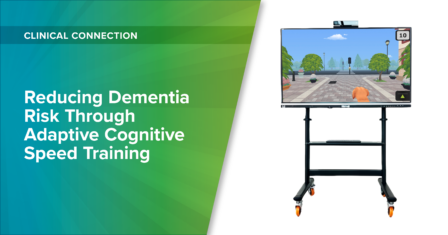
Speed training was designed to teach the brain to process visual information more quickly and accurately. Participants were asked to identify objects on a screen rapidly and make decisions about them. Researchers believe this type of training engages broader neuronal networks and builds cognitive reserve — the brain’s accumulated resilience against the effects of dementia. Memory training and reasoning training did not show a statistically significant protective effect.

Three Features That Drove Results

The ACTIVE findings point to specific structural qualities that made speed training effective, and they’re worth noting when designing engagement programming for residents:

  • Adaptability: The speed training program adjusted challenge level based on each participant’s performance. This individualized progression is what researchers flag as potentially central to its effectiveness.
  • Visual and perceptual engagement: The training focused on processing speed and visual decision-making. Dr. Sanjula Singh, a physician-scientist and neurology instructor at Harvard Medical School, noted that visual processing speed training may engage neuronal networks that build broader brain resilience — what she described to NBC News as “cognitive reserve.”
  • Sustained, consistent engagement: Participants who received booster sessions beyond initial training saw a 25% risk reduction. Duration and consistency were defining factors, not incidental ones.

What This Means for Your Community

For assisted and independent living communities, the priority is preserving cognitive health, not just responding to decline. The ACTIVE study reinforces that the structure of cognitive engagement matters. Activities that adapt to the individual, engage visual processing, and sustain participation over time produced measurable outcomes that other formats did not. That’s a meaningful benchmark when evaluating what belongs in your resident programming; not just what keeps residents busy, but what builds the kind of cognitive reserve the researchers identified as protective.

Bring VR Exercise to Your Residents this June
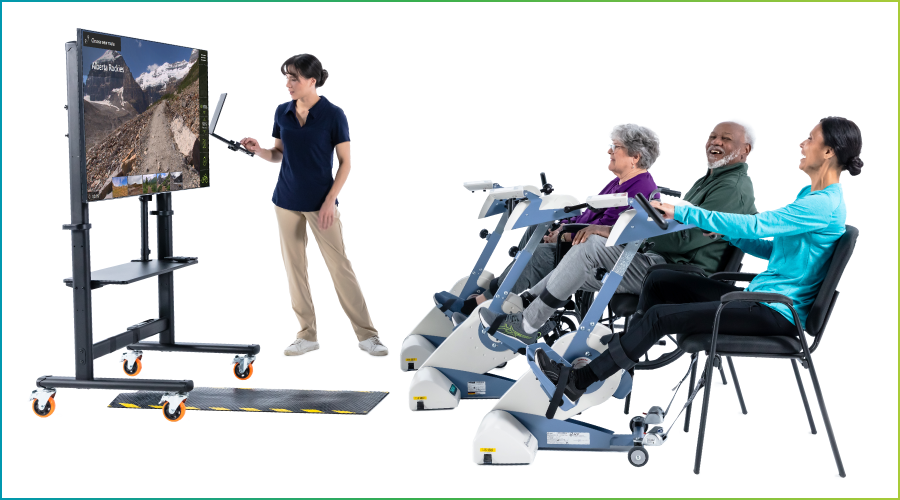
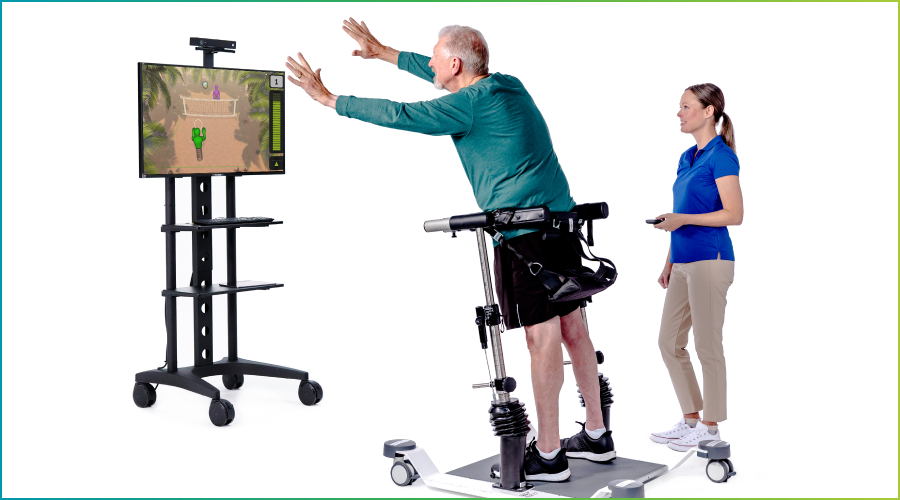
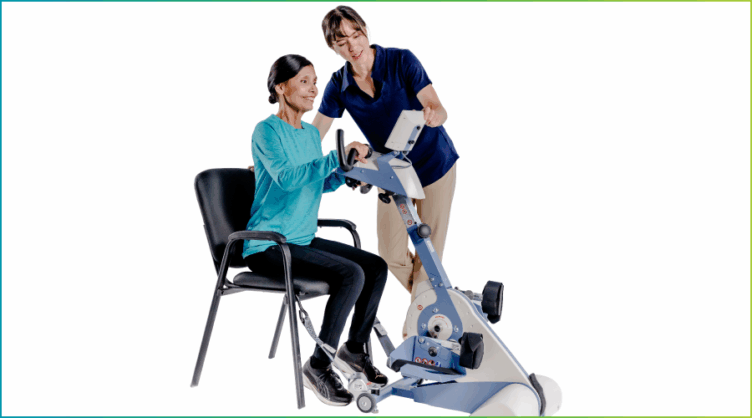
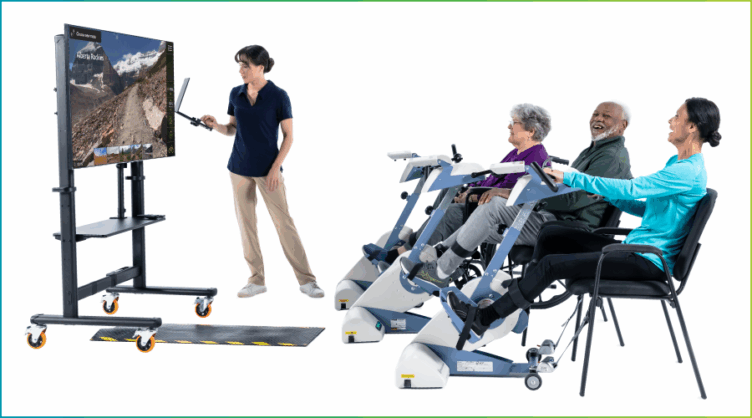
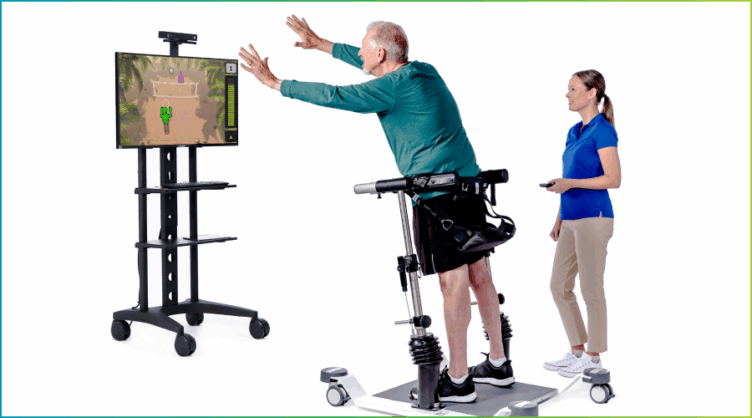
ACP’s OmniTour™ and OmniVR® were designed with these principles in mind. OmniTour immerses residents in virtual cycling experiences that drive movement, social connection, and daily engagement. OmniVR delivers interactive, game-like activities designed to support memory, balance, and cognitive function, with parameters adjustable to each resident’s individual needs.

Together, they give your team the foundation to build structured, adaptive programming that supports cognitive health over time.

  1. Coe, N. B., Miller, K. E. M., Sun, C., Taggert, E., Gross, A. L., Jones, R. N., Felix, C., Albert, M. S., Rebok, G. W., Marsiske, M., Ball, K. K., & Willis, S. L. (2026). Impact of cognitive training on claims-based diagnosed dementia over 20 years: evidence from the ACTIVE study. Alzheimer’s & dementia (New York, N. Y.), 12(1), e70197. https://doi.org/10.1002/trc2.70197
  2. Tennstedt, S. L., & Unverzagt, F. W. (2013). The ACTIVE study: study overview and major findings. Journal of aging and health, 25(8 Suppl), 3S–20S. https://doi.org/10.1177/0898264313518133

MRK-BLOG-046

A landmark 20-year study just produced the strongest evidence yet that cognitive training can reduce dementia risk by 25%, and what drove those results has real implications for how your community designs resident programming.

Closing the Wellness Gap in AL/IL Communities

Closing the Wellness Gap in AL/IL Communities

Assisted living (AL) and independent living (IL) communities have made meaningful investments in wellness programming over the years. From group fitness classes to on-site therapy services, many residents are well supported. And yet, a large resident population continues to fall through the cracks. These residents live in what we call the wellness gap.

The wellness gap includes residents who don’t meet the criteria for skilled therapy services but are vulnerable to decline. They may be unable to participate in more traditional fitness programs like Zumba, yet still need supportive movement to maintain strength, balance, cognition, and independence. This group is larger than many operators realize, and it represents one of the most important and addressable opportunities for senior living communities today.

Why the Wellness Gap Matters 

Residents in the wellness gap are often stable on paper, but they also aren’t building or maintaining the functional strength and mobility needed to age confidently in place. 

This leads to predictable outcomes: weakness, increased fall risk, social withdrawal, and eventual transitions to higher levels of care. This progression impacts not only resident well-being, but also length of stay, care costs, and the ability to deliver on a promised wellness experience. 

Where Traditional Wellness Programs Fall Short

Many wellness programs are unintentionally designed for residents who are already active, confident movers. Group classes like walking clubs or aerobics can feel intimidating, and limited staffing often makes it difficult to provide individualized support. As a result, residents in the wellness gap disengage—not because they don’t care about their health, but because the available programming doesn’t meet them where they are. To effectively support this population, communities need wellness solutions that are approachable, engaging, and adaptable across a wide range of abilities.

Closing the Gap with Technology 

This is where immersive wellness technology plays a critical role. ACP provides wellness solutions designed specifically for older adults that support gentle, approachable movement.

For residents in the wellness gap, tech-enabled experiences can be especially effective. Solutions like OmniVR® use game-inspired activities to support balance, coordination, strength, and cognitive engagement. With OmniTour™, routine cycling becomes an immersive journey that allows residents of all abilities to explore the world while exercising safely. Because these activities feel more like play than traditional exercise, residents who may otherwise opt out are far more likely to participate.

Drive Better Outcomes

By acting proactively, operators can intervene before decline sets in. When residents engage in regular, meaningful movement, communities can help: 

  • Reduce fall risk and prevent avoidable hospitalizations 
  • Support cognitive health and social connection 
  • Slow transitions to higher levels of care 
  • Demonstrate real wellness value to residents and families 

In a competitive market, these outcomes matter. Prospective residents and families want communities that offer more than amenities and take a proactive, inclusive approach to healthy aging. 

A More Inclusive Vision of Wellness

Wellness programs shouldn’t only serve the most active residents or those who qualify for therapy. The true measure of success is how well a community supports everyone. By investing in accessible, engaging wellness technologies, AL/IL communities can close the wellness gap, strengthen outcomes, and reinforce their commitment to helping residents thrive in place.

MRK-BLOG-037

Assisted living (AL) and independent living (IL) communities have made meaningful investments in wellness programming over the years. From group fitness classes to on-site therapy services, many residents are well supported. And yet, a large resident population continues to fall through the cracks. These residents live in what we call the wellness gap.

ACP Brings Innovative Wellness Solutions to Assisted and Independent Living

ACP Brings Innovative Wellness Solutions to Assisted and Independent Living 

ACP is expanding into the assisted living and independent living markets, bringing our evidence-based wellness technologies to new care environments where they can help residents stay active, engaged, and thriving.  

This expansion builds on more than 25 years of clinical experience supporting skilled nursing and rehabilitation facilities. By applying the same trusted technologies and therapeutic exercise principles to active aging populations, ACP is helping senior living communities strengthen their wellness offerings and stand out among the competition.

Enhancing Resident Wellness Through Engaging Technology 

Today’s older adults are living longer, more active lives, and they’re looking for environments that help them stay well—mentally and physically. Purposeful movement, social interaction, and a sense of autonomy are essential components of healthy aging. ACP’s suite of wellness technologies enables communities to deliver just that. 

Designed specifically for seniors, our wellness technologies support movement, connection, and independence to help residents age confidently in place. Safe, durable, and backed by exceptional support, our immersive tools help senior living communities enhance wellness experiences and strengthen well-being. 

OmniCycle® Connect Advanced Active-Assist Cycle 

The OmniCycle® Connect brings safe, supportive movement to your residents, no matter their ability level. With motor-assist technology and adjustable settings, this innovative cycle meets riders where they are, helping them stay active with minimal strain. Whether residents are working on maintaining mobility, improving circulation, or simply enjoying daily movement, the OmniCycle makes it easier to keep going.   

OmniTour™ Virtual Exercise Experience 

The OmniTour™ Virtual Exercise Experience brings the joy of outdoor cycling indoors with immersive virtual landscapes that make every workout an adventure. Residents can pedal through beautiful scenery while staying active and engaged alongside friends and neighbors. By seamlessly connecting with multiple OmniCycle Connect devices, OmniTour creates engaging group exercise sessions that keep residents motivated, connected, and looking forward to their next workout. 

OmniVR® Immersive Virtual Reality Exercise System     

The OmniVR® offers seniors a fun, interactive way to stay active, sharp, and socially engaged. Designed specifically for older adults, this easy-to-use system uses motion-sensing technology to let residents move, play, and interact in a safe virtual environment. With game-like activities that gently challenge both body and brain, OmniVR supports mobility, balance, memory, and strength.   

OmniFlow® Breathing Exercise Biofeedback System 

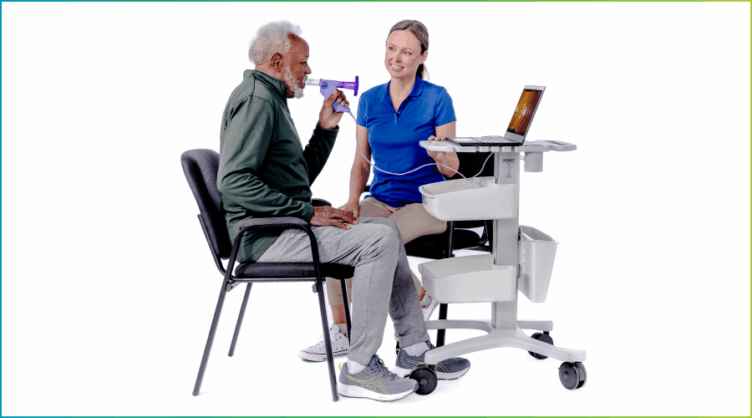
The OmniFlow® turns basic breathing exercises into an engaging, interactive experience designed to support respiratory health in older adults. By combining gentle airflow monitoring with game-like immersive virtual environments, OmniFlow helps promote lung strength, relaxation, and endurance—key contributors to staying active and independent.    

Support Active Aging in Your Community

This expansion into assisted and independent living reflects our commitment to helping enhance seniors’ quality of life through safe exercise grounded in decades of clinical expertise. Our equipment is designed for ease of use and supported by ACP’s unmatched service. By partnering with ACP, you can be among the first to introduce innovative, evidence-based technologies that set your community apart and help residents thrive. 

MRK-BLOG-030

ACP is expanding into the assisted and independent living markets, bringing our proven wellness technologies to help residents stay active and engaged. Learn how this next chapter builds on 25 years of clinical experience supporting better outcomes in senior care.

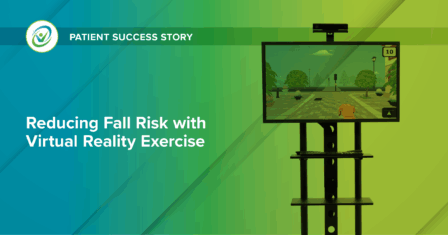
Reducing Fall Risk with Virtual Reality Exercise

Reducing Fall Risk with Virtual Reality Exercise 

This 71-year-old woman experienced nine falls in one week and a urinary tract infection (UTI) that resulted in a five-day hospitalization. Following her hospital stay, she required increased assistance with all functional tasks. Before this hospitalization, she lived with her grandchildren and was able to independently walk, navigate stairs, and complete all functional activities, including meal preparation.  

To restore her functional abilities, she was referred to a skilled nursing facility for rehabilitation services. 

Therapy Protocol

Physical & Occupational Therapy

  • 5x/week x 2 weeks

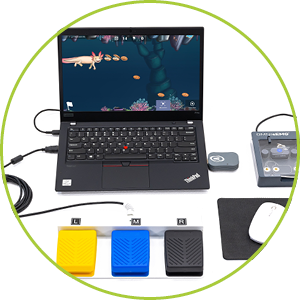
OmniVR® Virtual Rehabilitation System 

  • Transfer training using Bingo virtual reality (VR) exercise 
  • Balance and gait using City Walk VR exercise 

Additional Interventions 

  • Gait training, balance training, and therapeutic exercise 

OmniVR® Virtual Rehabilitation System 

OmniVR®

Virtual Reality Rehabilitation System

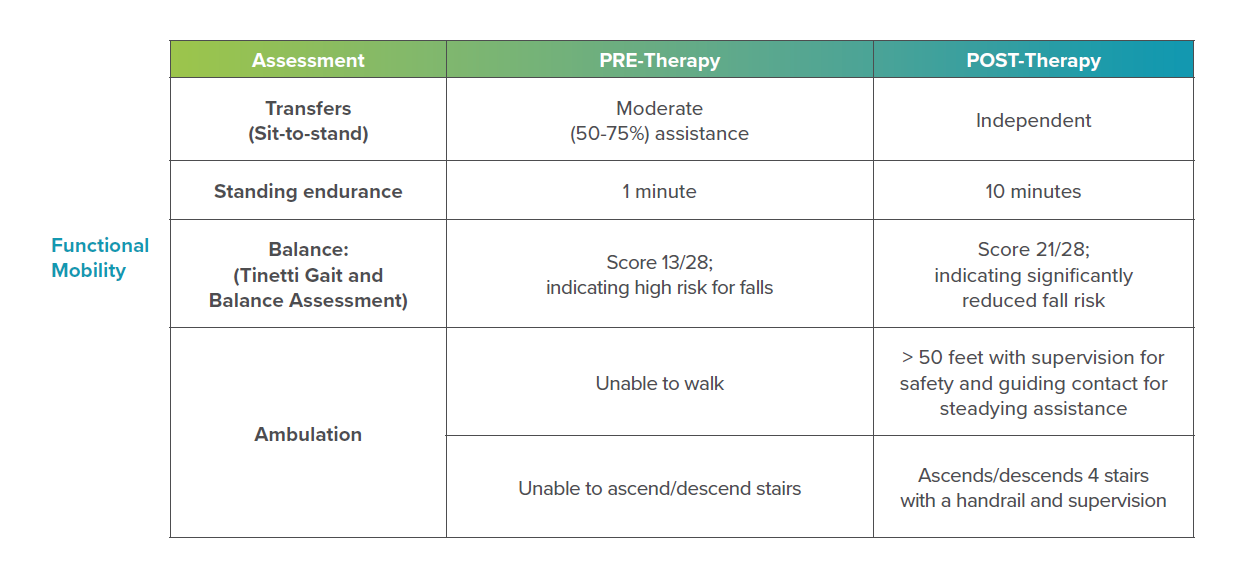
After only two weeks of physical and occupational therapy, this patient was able to sit-to-stand independently, stand longer, walk and use stairs, and significantly reduce her fall risk. 

Reducing Fall Risk with Virtual Reality Exercise 

This patient was very happy she progressed so quickly with therapy and that she was able to return home with her family’s support. Her therapists feel the OmniVR really helped improve her ability to get up from the chair and walk. 

I really like competing with the other patients on Bingo!

Patient

MRK-BLOG-029

This 71-year-old patient experienced nine falls within a week and a urinary tract infection that resulted in a five-day hospitalization. Following her hospital stay, she required increased assistance with all functional tasks. Before this hospitalization, she lived with her grandchildren and could independently walk, navigate stairs, and complete all functional activities, including meal preparation. To restore her functional abilities, she was referred to a skilled nursing facility for rehabilitation services. Learn how her care team used virtual reality exercise to regain her mobility.

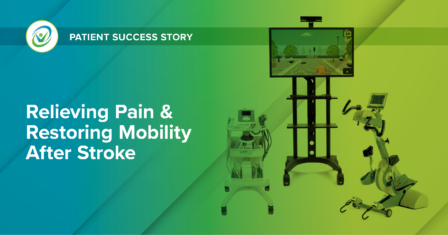
Relieving Pain & Restoring Mobility After Stroke

Relieving Pain & Restoring Mobility After Stroke 

This 66-year-old patient was referred to a skilled nursing facility for stroke rehabilitation. While hospitalized, he required a thrombectomy (procedure to remove blood clot), and he experienced right-sided weakness and general debility after being discharged. Before his stroke, he lived at home with his spouse, was independent with all functional mobility, and walked with a rolling walker. 

Therapy Protocol

Physical & Occupational Therapy

  • 4-5x/week x 4 weeks

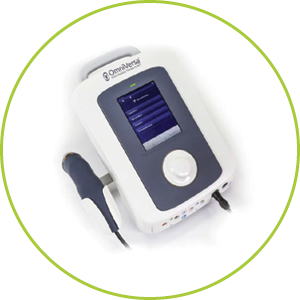
OmniVersa® Electrotherapy & Ultrasound System

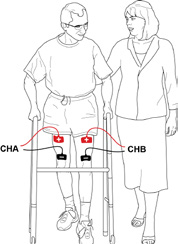
  • Patterned Electrical Neuromuscular Stimulation (PENS) to the right arm and leg to decrease shoulder pain and for neuromuscular re-education and strengthening of the arm and leg

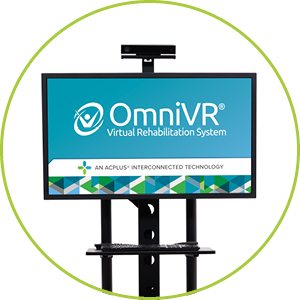
OmniVR® Virtual Rehabilitation System

  • Virtual reality exercise (bingo and flower garden) to improve transfers, balance, and gait

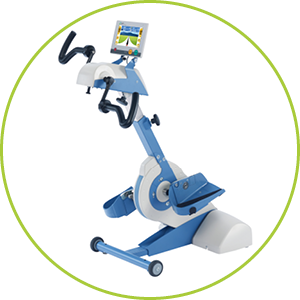
OmniCycle® Connect Advanced Active-Assist Cycle

  • Upper and lower extremity cycling neuro mode to promote improved endurance, strength, and reciprocal motor activity

Additional Interventions

  • Gait training, transfer training, balance re-education, therapeutic exercise, self-care retraining, and therapeutic activities

OmniVersa®

Electrotherapy & Ultrasound System

OmniVR®

Virtual Rehabilitation System

OmniCycle® Connect

Advanced Active-Assist Cycle

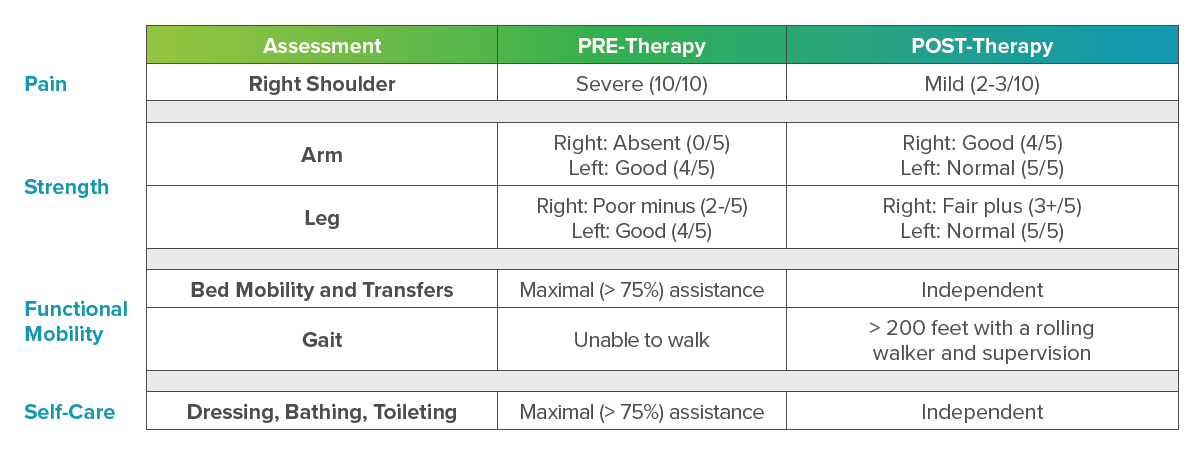
Following the 4-week stroke rehabilitation program the patient made significant strides: 

Relieving Pain & Restoring Mobility After Stroke

This patient is thrilled with the care he received and is so happy to be able to return home. He feels his therapy team really used all their tools to get him better as quickly as possible.

PENS really helped to improve his pain so he could participate in therapy with greater intensity, and it was also a big contributor to improving his strength on the affected side.

Therapist

MRK-BLOG-024

This 66-year-old patient was referred to a skilled nursing facility for stroke rehabilitation after experiencing weakness on his right side and general debility. Before his stroke, he lived at home with his spouse, was independent with all functional mobility, and walked with a rolling walker. Keep reading to learn more about the innovative tools and strategies his care team used to maximize his outcomes and help him return home.

Advanced Solutions for Effective Parkinson's Rehabilitation

Advanced Solutions for Effective Parkinson’s Rehabilitation 

According to the Parkinson’s Foundation, nearly 90,000 Americans receive a Parkinson’s disease (PD) diagnosis annually. Each diagnosis represents a patient and their loved ones facing a new reality that requires comprehensive support and innovative solutions. Parkinson’s rehabilitation that integrates exercise, biophysical agents, and innovative technologies can help these patients maintain independence and functionality longer. 

Understanding Parkinson’s Disease 

Parkinson’s disease is a progressive neurodegenerative disorder that impacts multiple aspects of movement and daily function. Patients often experience:

  • Bradykinesia (slow movement) 
  • Muscular rigidity 
  • Resting tremors 
  • Shuffling and freezing gait 
  • Poor postural control 
  • Impaired balance 

Exercise plays a key role in rehabilitation for this population, with additional benefits achieved by incorporating biophysical agents and rehabilitation technologies. Research demonstrates that exercise improves motor skill performance, which may be enhanced with cognitive engagement through feedback, cueing, dual-task training, and motivation.1 ACP provides several technologies that support this approach.

Virtual Reality Augmented Exercise

Moving Beyond Aerobics: The Benefits of Cycling in Rehabilitation  

The American Physical Therapy Association recommends moderate- to high-intensity aerobic exercise for Parkinson’s patients to improve VO2, reduce motor disease severity, and improve functional outcomes. They also recommend resistance training to improve strength, power, nonmotor symptoms, and quality of life.2 Forced exercise with motor-assisted cycling has specifically been shown to improve motor function.3 

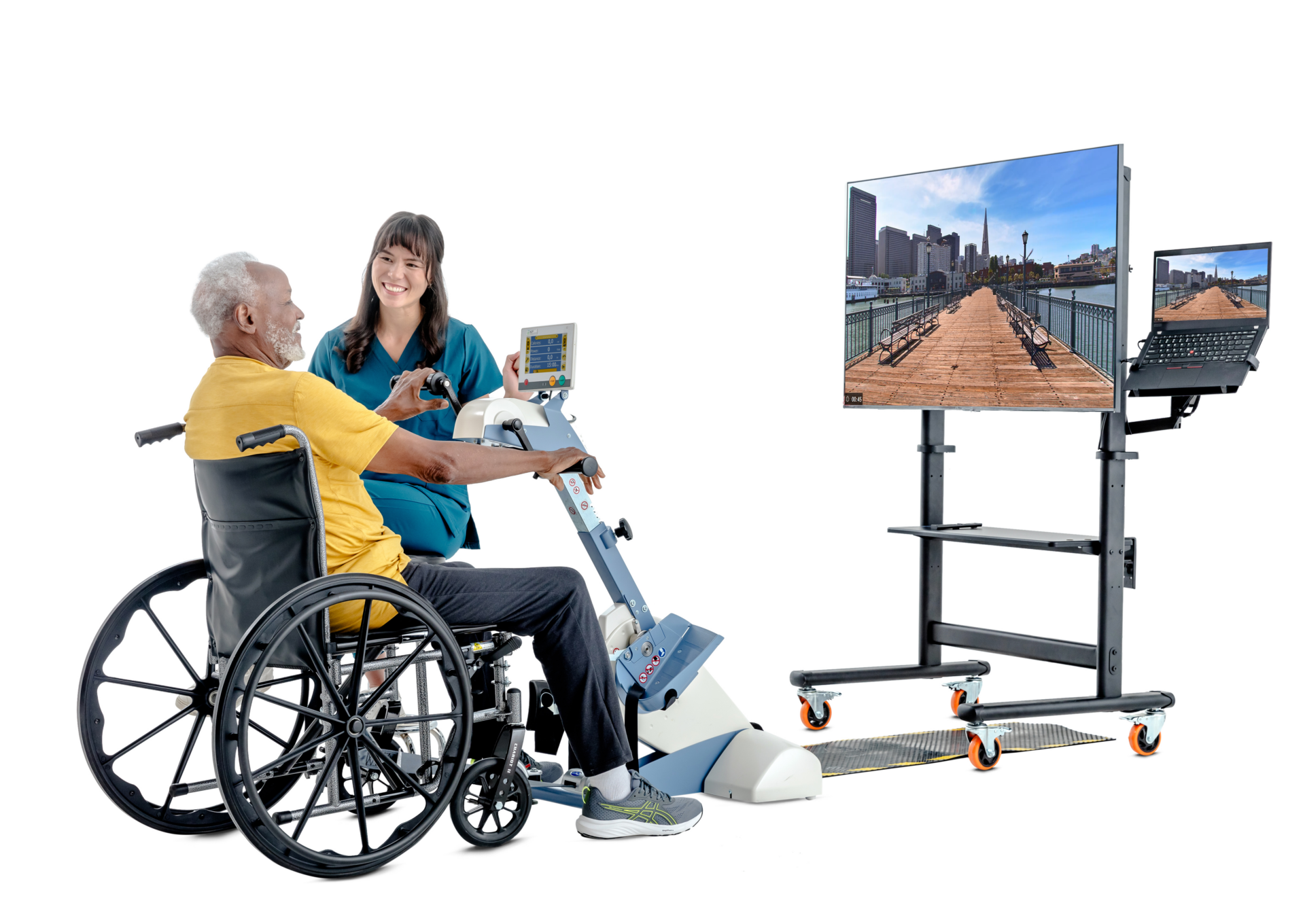
OmniCycle Connect®, paired with the OmniTour™ Virtual Exercise Experience, can help Parkinson’s patients reap the benefits of aerobic exercise while providing cognitive engagement through immersive cycling and memory games. 

Therapist considerations:

  • Facilitate proper sitting posture throughout the activity. 
  • Consider interval training to allow higher intensity with less fatigue. 
  • Use forced cycling at a higher speed compared to a self-selected pace. 
  • Integrate biofeedback activities to provide visual/auditory cues, changes in speed/direction, and dual-task challenges. 

There is also evidence that virtual reality rehab results in significantly greater improvement in balance and gait (BBS, TUG, and FGA) for Parkinson’s patients compared to conventional physical therapy.4 

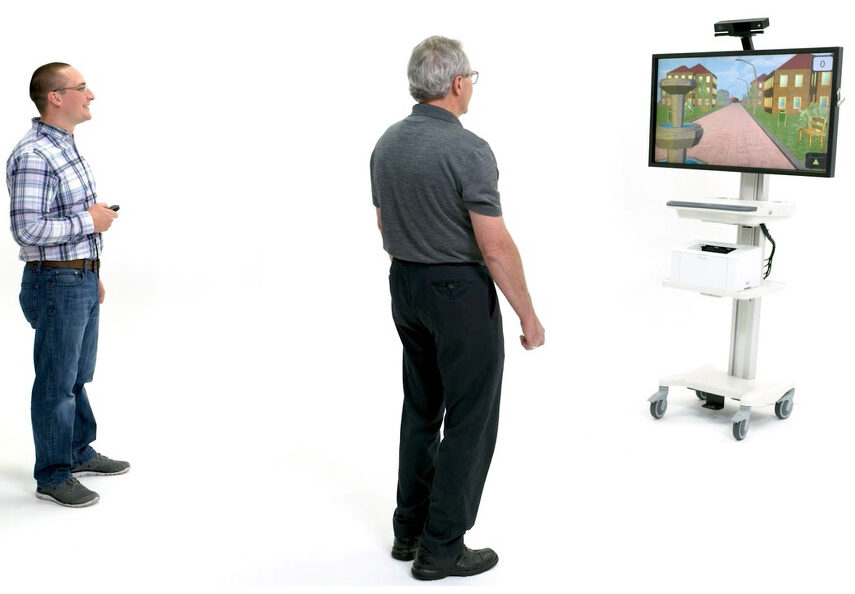
OmniVR® helps address patients’ cognitive impairment by incorporating activities that utilize memory and executive function. Through fun and interactive activities, patients are engaged and motivated to exercise harder and longer. 

Therapist considerations:

  • In the seated position, engage posture by varying support surfaces (firm, foam, balance ball). 
  • Vary speed with gait. 
  • Practice multi-directional movement. 
  • Progress to stepping over and avoiding obstacles. 
  • Perform squatting to facilitate picking something up from the floor.

E-Stim Enhanced Gait Training

Sensory electrical stimulation cueing during gait has been shown to reduce the time a patient needs to complete a walking task and the number of freezing gait episodes,5 which are common in many Parkinson’s patients.  

The OmniVersa® Multimodality Therapy System’s Patterned Electrical Neuromuscular Stimulation (PENS) function can help re-establish normal muscle recruitment and firing, maximizing the benefits of regular gait training.

Therapist considerations:

  • Use PENS UE and LE patterns to facilitate trunk and extremity exercise for improved posture control, strength, and coordination; apply during goal-oriented tasks when feasible. 
  • Use the PENS cycle or walk protocol to provide sensory/motor input to the CNS for gait initiation, symmetry, and cadence; vary the speed of the protocols. 

Empowering Patients & Clinicians 

Parkinson’s disease presents unique challenges and profound changes. By embracing innovative rehabilitation solutions, we can help these patients maintain their independence and quality of life longer.

  1. Petzinger, G. M., Fisher, B. E., McEwen, S., Beeler, J. A., Walsh, J. P., & Jakowec, M. W. (2013). Exercise-enhanced neuroplasticity targeting motor and cognitive circuitry in Parkinson’s disease. The Lancet. Neurology, 12(7), 716–726. https://doi.org/10.1016/S1474-4422(13)70123-6 ↩︎
  2. Osborne, J. A., Botkin, R., Colon-Semenza, C., DeAngelis, T. R., Gallardo, O. G., Kosakowski, H., Martello, J., Pradhan, S., Rafferty, M., Readinger, J. L., Whitt, A. L., & Ellis, T. D. (2022). Physical therapist management of Parkinson disease: A clinical practice guideline from the American Physical Therapy Association. Physical Therapy, 102(4), pzab302. https://doi.org/10.1093/ptj/pzab302 ↩︎
  3. Miner, D. G., Aron, A., & DiSalvo, E. (2020). Therapeutic effects of forced exercise cycling in individuals with Parkinson’s disease. Journal of the Neurological Sciences, 410, 116677. https://doi.org/10.1016/j.jns.2020.116677 ↩︎
  4. Feng, H., Li, C., Liu, J., Wang, L., Ma, J., Li, G., Gan, L., Shang, X., & Wu, Z. (2019). Virtual reality rehabilitation versus conventional physical therapy for improving balance and gait in Parkinson’s disease patients: A randomized controlled trial. Medical Science Monitor: International Medical Journal of Experimental and Clinical Research, 25, 4186–4192. https://doi.org/10.12659/MSM.916455 ↩︎
  5. Rosenthal, L., Sweeney, D., Cunnington, A. L., Quinlan, L. R., & ÓLaighin, G. (2018). Sensory electrical stimulation cueing may reduce freezing of gait episodes in Parkinson’s disease. Journal of Healthcare Engineering, 2018, 4684925. https://doi.org/10.1155/2018/4684925   ↩︎

MRK-BLOG-023

According to the Parkinson’s Foundation, nearly 90,000 Americans receive a Parkinson’s disease (PD) diagnosis annually. Discover how exercise, biophysical agents, and innovative technologies can help these patients maintain independence and functionality longer.

The Role of Advanced Technology in Cardiac Rehab

The Role of Advanced Technology in Cardiac Rehab 

According to the Centers for Disease Control and Prevention (CDC), coronary artery disease (CAD) is the most common type of heart disease in the US. It is caused by plaque build-up in the coronary arteries, which slows blood flow. The most common symptom of CAD is chest pain. However, many people don’t have symptoms and only find out they have CAD after suffering a heart attack. 

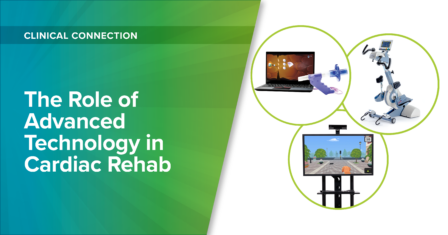
With February being American Heart Month, it’s an opportune time to highlight the importance of cardiac rehab (CR) in supporting heart health and managing CAD. CR helps prevent future heart attacks, improves physical function, and enhances quality of life. A comprehensive CR program includes physical activity, education, and counseling. Advanced rehab technology can play a role in cardiac management, improving breathing and physical activity for individuals with CAD. 

OmniFlow® Breathing Therapy Biofeedback System

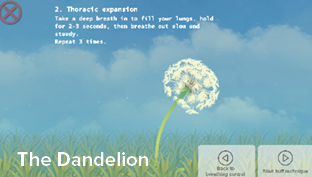
In patients with stable angina, an 8-week inspiratory muscle training program improved respiratory and peripheral muscle strength, functional exercise capacity, and health-related quality of life.1 The OmniFlow Breathing Therapy Biofeedback System incorporates interactive, customizable, breathing exercises that help guide patients and their therapists. 

Forced Inhalation

Forced Exhalation

Rhythmic Breathing

Controlled Expiration

ACBT/Huff Technique

OmniVR® Virtual Rehabilitation System

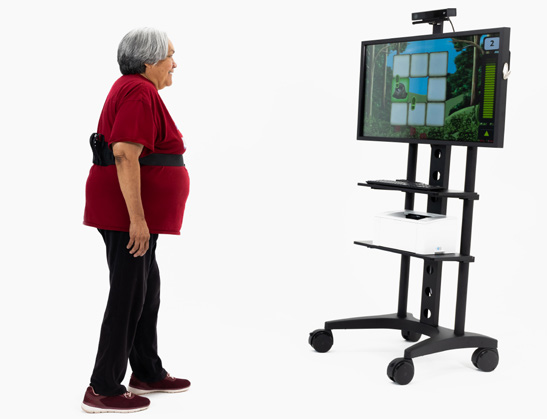
A Cochrane Review of exercise-based CR in people with coronary heart disease found that exercise-based CR reduced the risk of heart attack, all-cause hospitalization, and cardiovascular mortality.2 Additionally, CR utilizing interactive virtual reality (VR) resulted in less pain, improved walking, higher energy levels, increased physical activity, and improved motivation and adherence.3  The OmniVR Virtual Reality Rehabilitation System combines gamified exercise with VR through interactive, customizable, seated and standing activities. 

  • Seated: Knee AROM, leg strength (Picnic) 
  • Sit-to-Stand: Trunk control, leg strength (Bingo) 
  • Balance and Gait: Dynamic balance, multidirectional gait (Mole, Flower Garden) 
  • Gait: Ankle/hip/stepping strategies (Walking the Dog) 
  • Upper Extremity: Sitting/standing balance, timed UE motion, functional reach (Carnival) 

OmniCycle™ Advanced Active-Assist Cycle

The 2020 American Physical Therapy Association (APTA) clinical practice guideline for patients with heart failure specifically recommends cycling as a mode for aerobic and high intensity interval training.4 ACP’s OmniCycle Connect Advanced Active-Assist Cycle has innovative motor-assist technology and customizable exercises for patients with upper- and lower-extremity challenges. Paired with the OmniTour Virtual Exercise Experience, patients can enjoy an immersive VR cycling experience that motivates them to train more often and with greater effort. 

  1. Huzmeli, I., Ozer, A. Y., Akkus, O., & Yalcin, F. (2022). The results of inspiratory muscle training on cardiac, respiratory, musculoskeletal, and psychological status in patients with stable angina: A randomized controlled trial. Disability and Rehabilitation, 
    1–12. Advance online publication. https://doi.org/10.1080/09638288.2022.2146767 ↩︎
  2. Dibben, G., Faulkner, J., Oldridge, N., Rees, K., Thompson, D. R., Zwisler, A. D., & Taylor, R. S. (2021). Exercise-based cardiac rehabilitation for coronary heart disease. The Cochrane Database of Systematic Reviews, 11(11), CD001800. 
    https://doi.org/10.1002/14651858.CD001800.pub4 ↩︎
  3. García-Bravo, S., Cuesta-Gómez, A., Campuzano-Ruiz, R., López-Navas, M. J., Domínguez-Paniagua, J., Araújo-Narváez, A., Barreñada-Copete, E., García-Bravo, C., Flórez-García, M. T., Botas-Rodríguez, J., & Cano-de-la-Cuerda, R. (2021). 
    Virtual reality and video games in cardiac rehabilitation programs. A systematic review. Disability and Rehabilitation, 43(4), 448–457. https://doi.org/10.1080/09638288.2019.1631892  ↩︎
  4. Shoemaker, M. J., Dias, K. J., Lefebvre, K. M., Heick, J. D., & Collins, S. M. (2020). Physical Therapist Clinical Practice Guideline for the Management of Individuals With Heart Failure. Physical therapy, 100(1), 14–43. https://doi.org/10.1093/ptj/pzz127  ↩︎

MRK-BLOG-019

According to the Centers for Disease Control and Prevention (CDC), coronary artery disease (CAD) is the most common type of heart disease in the US. It is caused by plaque build-up in the coronary arteries, which slows blood flow. The most common symptom of CAD is chest pain. However, many people don’t have symptoms and only find out they have CAD after suffering a heart attack. With February being American Heart Month, it’s an opportune time to highlight the importance of cardiac rehab (CR) in supporting heart health and managing CAD.

Enhancing Group Therapy with Virtual Reality in SNF Rehab 

Enhancing Group Therapy with Virtual Reality in SNF Rehab 

The highlights:

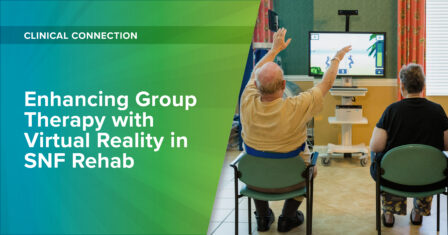
  • Integrating virtual reality (VR) into group therapy enhances patient engagement and functional outcomes, transforming the rehabilitation experience
  • Effective implementation involves selecting collaborative VR activities, fostering healthy competition, and adapting experiences to group dynamics for maximum benefit
  • ACP will soon launch a new technology that helps clinicians seamlessly incorporate VR into group therapy

As skilled nursing facilities (SNFs) navigate an increasingly competitive landscape, they constantly seek innovative ways to improve patient outcomes, drive operational efficiencies, and differentiate their rehabilitation programs. We recently covered how VR could transform skilled rehab. By thoughtfully integrating VR into group therapy sessions, clinicians can tap into synergies that address the key goals of modern SNFs: boosting patient engagement, enhancing functional outcomes, and optimizing the efficiency of care delivery.

The Synergies of VR and Group Therapy 

The Synergies of VR and Group Therapy

We have explored the individual benefits of VR and group therapy in SNF rehab. VR has proven to be an innovative solution that can increase patient engagement, encourage longer and more intense therapy sessions, and positively impact patient mood.1, 2 Meanwhile, group therapy settings have been shown to foster a supportive environment that enhances socialization, promotes healthy competition, and allows for more cost-effective care delivery. 

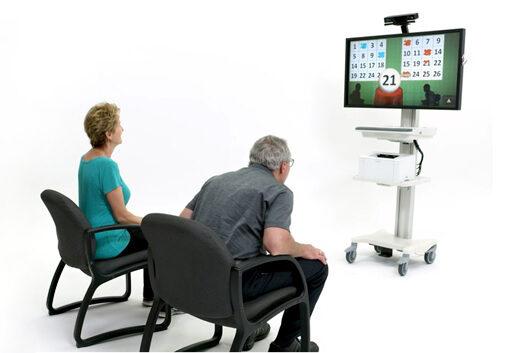
Together, group therapy and VR unlock a world of possibilities. The immersive, interactive nature of VR can take the group therapy experience to new heights, motivating patients to push the boundaries of their abilities while enjoying the camaraderie and encouragement of their peers. The social dynamics of group therapy can further amplify the engagement and therapeutic value of the VR experience. 

Practical Strategies for Incorporating VR into Group Therapy 

So, how can SNF clinicians harness the power of this dynamic duo? Here are some practical strategies for incorporating VR into group therapy sessions: 

Choose VR Experiences that Promote Collaboration 

Select VR applications that encourage teamwork and group interaction. For example, choose multiplayer activities where patients work together to achieve a shared goal or VR environments that simulate real-world tasks requiring coordination. 

Foster Friendly Competition  

Competition knows no age! Incorporate VR activities that allow patients to compete against their peers in a fun, supportive environment. Healthy rivalry can boost engagement and motivation, pushing participants to go beyond their perceived limits. 

Leverage Dual-Task Training 

Use VR to introduce cognitive challenges alongside physical exercise. As patients navigate the virtual world, have them perform tasks that engage both the body and the mind, such as remembering sequences, solving puzzles, or making decisions. This dual-task training can enhance overall functional abilities. 

Adapt VR Experiences to Group Dynamics  

When choosing VR applications, be mindful of group size, patient abilities, and therapy goals. Customize the virtual environments and tasks to ensure all participants are appropriately challenged and can actively engage with each other. 

Complement VR with Traditional Group Activities 

While VR can be an excellent supplement to group therapy, it should never wholly replace more conventional group activities. Combine VR experiences with traditional group activities to create a well-rounded rehab program. 

Elevating Rehabilitation Outcomes with VR-Enhanced Group Therapy

By combining evidence-based group therapy and VR, clinicians can foster better engagement, improved functional outcomes, and a heightened sense of community that supports the whole patient. 

This powerful combination can change how patients experience rehabilitation, which is why we are excited to share that we will soon launch a new, immersive VR technology that integrates seamlessly into group therapy – keep an eye out for more on that soon. In the meantime, as you continue to explore ways to optimize your skilled nursing rehabilitation program, consider the transformative potential of VR-enhanced group therapy. This dynamic combination can help you deliver exceptional care and position your facility for long-term success. 

  1. Kizmaz, E., Telli Atalay, O., Çetin, N., & Uğurlu, E. (2024). Virtual reality for COPD exacerbation: A randomized controlled trial. Respiratory Medicine, 230, 107696. https://doi.org/10.1016/j.rmed.2024.107696 ↩︎
  2. D’Cunha, N. M., Nguyen, D., Naumovski, N., McKune, A. J., Kellett, J., Georgousopoulou, E. N., Frost, J., & Isbel, S. (2019). A mini-review of virtual reality-based interventions to promote well-being for people living with dementia and mild cognitive impairment. Gerontology, 65(4), 430-440. https://doi.org/10.1159/000500040  ↩︎

As skilled nursing facilities (SNFs) navigate an increasingly competitive landscape, they constantly seek innovative ways to improve patient outcomes, drive operational efficiencies, and differentiate their rehabilitation programs. We recently covered how VR could transform skilled rehab. Learn how you can combine VR with group therapy to boost patient engagement, enhance functional outcomes, and optimize care delivery.