
Tag: OmniFlow

OmniFlow® in Action: Restoring Speech, Confidence, and Connection

OmniFlow® in Action: Restoring Speech, Confidence, and Connection 

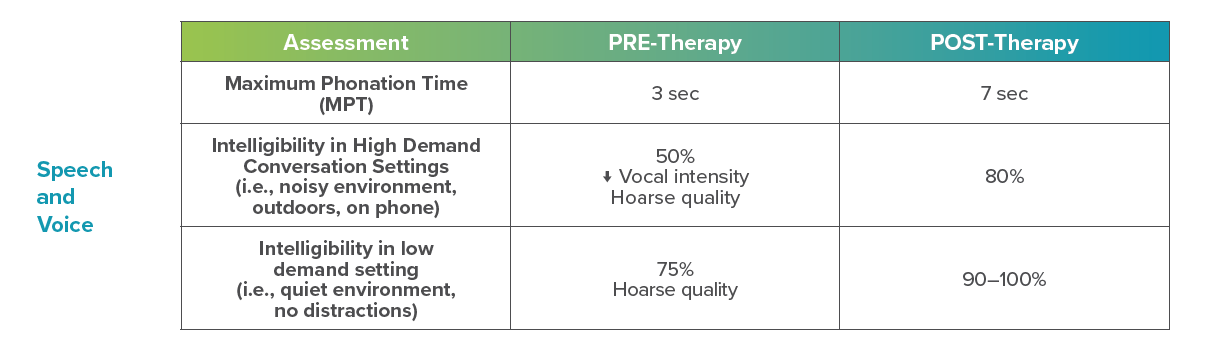
After undergoing coronary artery bypass graft (CABG) surgery, a 78-year-old gentleman faced a difficult recovery that impacted his voice and speech. Multiple falls left him vulnerable, and his most recent fall resulted in a head injury that required hospitalization and a referral to a skilled nursing facility for rehabilitation. 

The patient expressed concerns that his voice and speech had changed after his fall, which was negatively impacting his ability to engage socially. Due to these concerns, he was evaluated by speech-language pathologists and referred to speech therapy.  

Therapy Protocol

Speech Therapy

  • 3x/week x 4 weeks

OmniFlow® Breathing Therapy Biofeedback System 

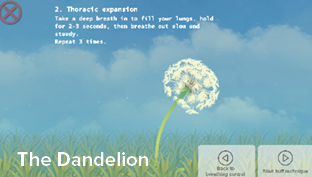
  • Controlled inspiratory lung volume – Diamond Mine
  • Forced expiratory lung volume – Prehistoric Contest

Patient Education 

  • Good vocal hygiene to improve vocal quality
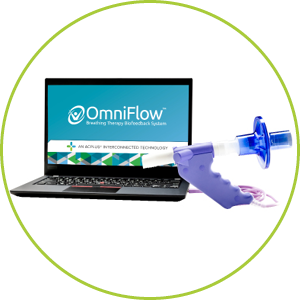
OmniFlow®Breathing Therapy Biofeedback System

OmniFlow®

Breathing Therapy Biofeedback System

OmniFlow® in Action: Restoring Speech, Confidence, and Connection 

The patient and his significant other were happy that through therapy, he was able to regain his confidence and clarity of speech. The patient was able to engage in social activities he had avoided, such as talking on the phone, speaking around others at the rehab gym, and conversing with unfamiliar people.  

I found having the graphics and game-like aspect vs. numbers on a screen very useful and positive. I feel it was challenging to me and helped my lungs expand to help with my voice.

Patient

After a serious heart surgery and multiple falls, this 78-year-old patient found himself struggling not only with physical recovery but also with changes to his voice and speech that made social interactions difficult. In our latest blog post, we share how his care team used OmniFlow to help him regain his voice and confidence.

MRK-BLOG-033
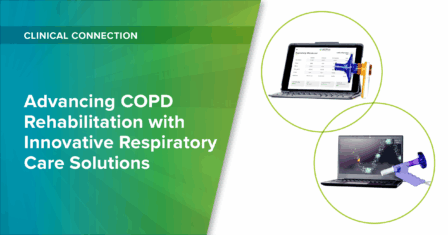
Advancing COPD Rehabilitation with Innovative Respiratory Care Solutions

Advancing COPD Rehabilitation with Innovative Respiratory Care Solutions 

November is Chronic Obstructive Pulmonary Disease (COPD) Awareness Month, a reminder of the growing need for effective respiratory rehabilitation strategies. COPD impacts more than 16 million Americans—1 in 8 adults age 45 and older—with many more who have gone undiagnosed. It affects the ability to breathe, leads to long-term disability, and significantly affects quality of life.1 For clinicians, this highlights the importance of comprehensive respiratory care that includes both assessment and targeted intervention. 

ACPlus® Respiratory Assessment & OmniFlow® in COPD Rehabilitation

Effective COPD rehabilitation begins with an accurate assessment. The ACPlus® Respiratory Assessment (ARA) is designed to help clinicians proactively identify undiagnosed respiratory deficits, including early signs of COPD. Using an iPad and Bluetooth spirometer, clinicians can conduct quick, data-driven breathing tests that capture inspiratory and expiratory lung volume and flow metrics, which can be used to determine the patient’s baseline status and monitor treatment effectiveness over time. 

ARA interprets this data to suggest possible lung disease patterns and severity levels, providing clinicians with actionable insights. It can also help detect when a patient with COPD may be approaching a flare-up, allowing for timely intervention and care planning. By identifying deficits early, clinicians can tailor therapy strategies that align with each patient’s respiratory capacity and functional goals. 

Once a treatment plan is established, the OmniFlow® Breathing Therapy Biofeedback System serves as an engaging and measurable intervention tool. Patients can complete various respiratory exercises in a fun, virtual environment: 

Forced Inhalation:

Improves inspiratory muscle power & inspiratory vital capacity (IVC)

Forced Exhalation:

Targets expiratory breathing

Rhythmic Breathing:

Focuses on rhythmical inspiratory and expiratory breathing

Controlled Expiration:

Improves controlled expiratory volume and flow

ACBT/Huff Technique:

Teaches patients the Active Cycle of Breathing (ACBT)/Huff technique to clear lung secretions

For patients with COPD in particular, targeted inspiratory muscle training paired with endurance training has been shown to enhance inspiratory muscle function and balance.2 

OmniFlow also provides real-time visual feedback on performance to motivate patients to improve control and consistency. The objective inhalation and exhalation data OmniFlow provides helps clinicians better assess the patient’s condition and develop more effective treatment plans.

From Assessment to Intervention 

By identifying respiratory deficits early and delivering engaging, data-informed therapy, clinicians can help patients with COPD experience improved function, reduced flare-ups, and greater quality of life. Together, ARA and OmniFlow can help patients with COPD breathe, move, and live better.

MRK-BLOG-032

November is Chronic Obstructive Pulmonary Disease (COPD) Awareness Month, a reminder of the growing need for effective respiratory rehabilitation strategies. COPD impacts more than 16 million Americans—1 in 8 adults age 45 and older—with many more who have gone undiagnosed. It affects the ability to breathe, leads to long-term disability, and significantly affects quality of life. For clinicians, this highlights the importance of comprehensive respiratory care that includes both assessment and targeted intervention.

ACP Brings Innovative Wellness Solutions to Assisted and Independent Living

ACP Brings Innovative Wellness Solutions to Assisted and Independent Living 

ACP is expanding into the assisted living and independent living markets, bringing our evidence-based wellness technologies to new care environments where they can help residents stay active, engaged, and thriving.  

This expansion builds on more than 25 years of clinical experience supporting skilled nursing and rehabilitation facilities. By applying the same trusted technologies and therapeutic exercise principles to active aging populations, ACP is helping senior living communities strengthen their wellness offerings and stand out among the competition.

Enhancing Resident Wellness Through Engaging Technology 

Today’s older adults are living longer, more active lives, and they’re looking for environments that help them stay well—mentally and physically. Purposeful movement, social interaction, and a sense of autonomy are essential components of healthy aging. ACP’s suite of wellness technologies enables communities to deliver just that. 

Designed specifically for seniors, our wellness technologies support movement, connection, and independence to help residents age confidently in place. Safe, durable, and backed by exceptional support, our immersive tools help senior living communities enhance wellness experiences and strengthen well-being. 

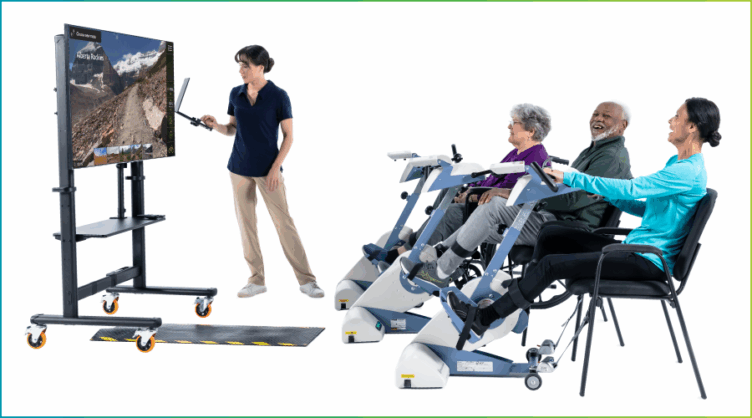
OmniCycle® Connect Advanced Active-Assist Cycle 

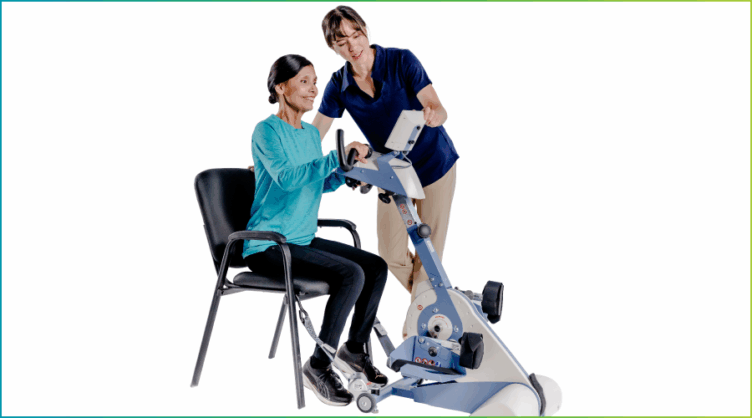
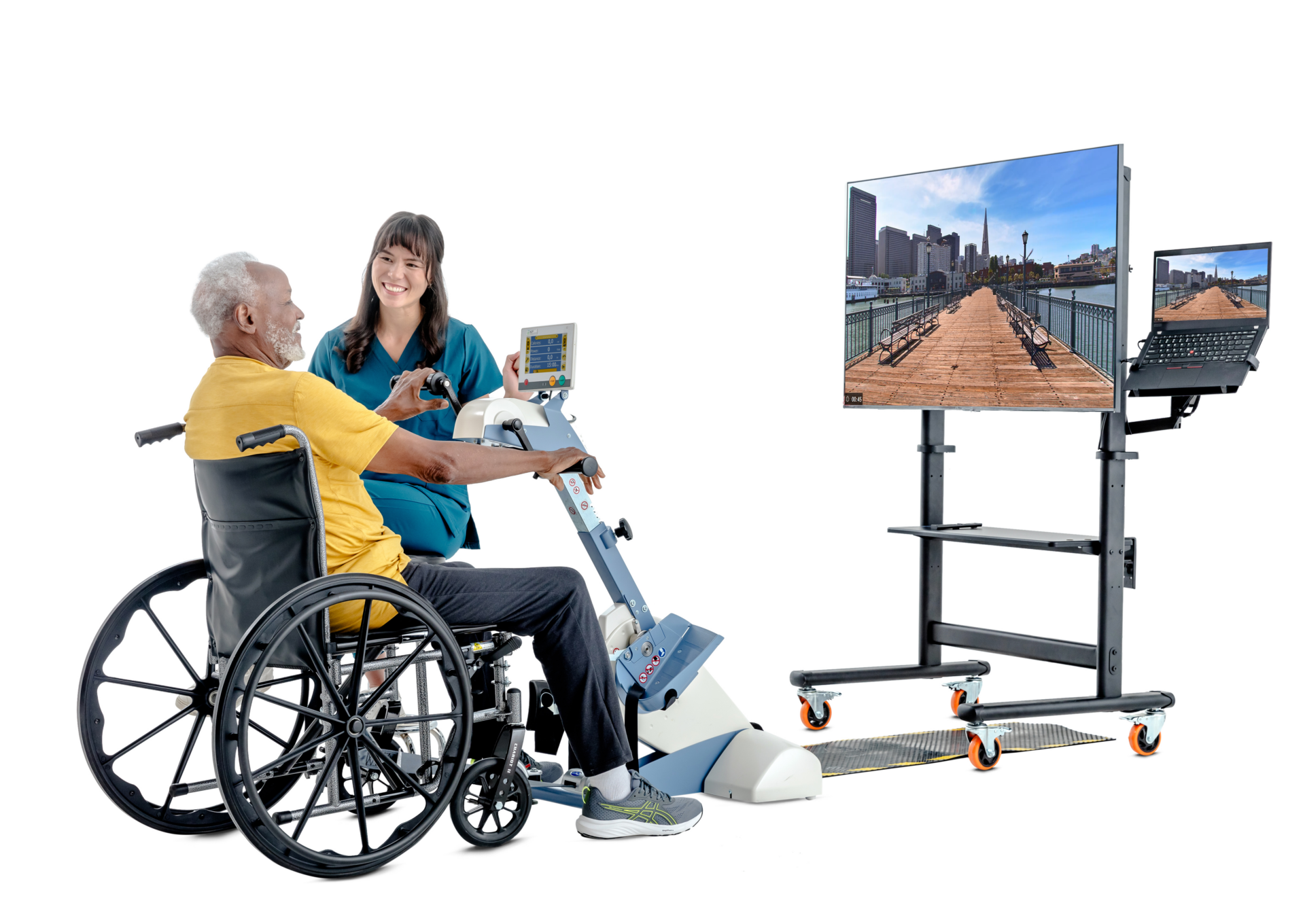
The OmniCycle® Connect brings safe, supportive movement to your residents, no matter their ability level. With motor-assist technology and adjustable settings, this innovative cycle meets riders where they are, helping them stay active with minimal strain. Whether residents are working on maintaining mobility, improving circulation, or simply enjoying daily movement, the OmniCycle makes it easier to keep going.   

OmniTour™ Virtual Exercise Experience 

The OmniTour™ Virtual Exercise Experience brings the joy of outdoor cycling indoors with immersive virtual landscapes that make every workout an adventure. Residents can pedal through beautiful scenery while staying active and engaged alongside friends and neighbors. By seamlessly connecting with multiple OmniCycle Connect devices, OmniTour creates engaging group exercise sessions that keep residents motivated, connected, and looking forward to their next workout. 

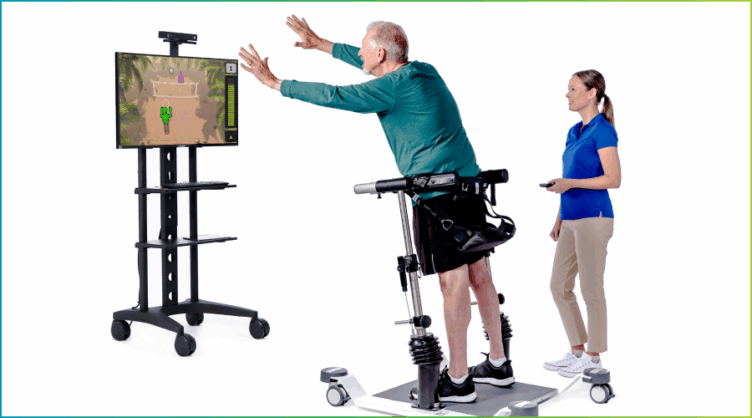
OmniVR® Immersive Virtual Reality Exercise System     

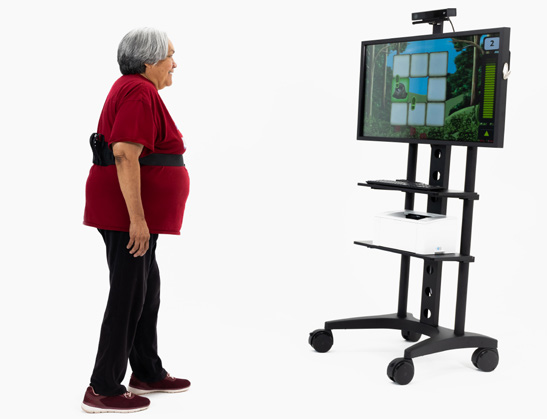
The OmniVR® offers seniors a fun, interactive way to stay active, sharp, and socially engaged. Designed specifically for older adults, this easy-to-use system uses motion-sensing technology to let residents move, play, and interact in a safe virtual environment. With game-like activities that gently challenge both body and brain, OmniVR supports mobility, balance, memory, and strength.   

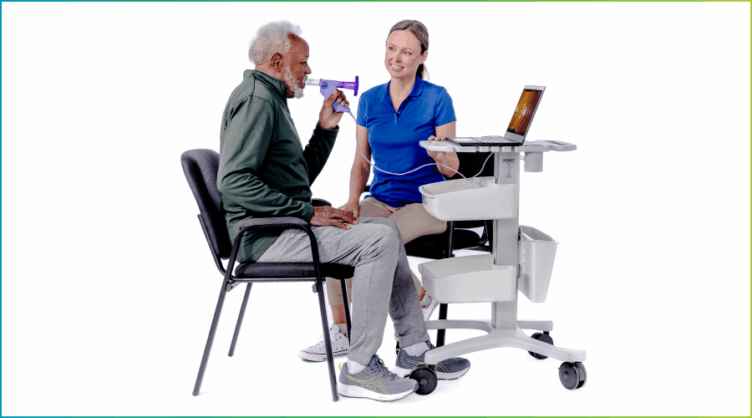
OmniFlow® Breathing Exercise Biofeedback System 

The OmniFlow® turns basic breathing exercises into an engaging, interactive experience designed to support respiratory health in older adults. By combining gentle airflow monitoring with game-like immersive virtual environments, OmniFlow helps promote lung strength, relaxation, and endurance—key contributors to staying active and independent.    

Support Active Aging in Your Community

This expansion into assisted and independent living reflects our commitment to helping enhance seniors’ quality of life through safe exercise grounded in decades of clinical expertise. Our equipment is designed for ease of use and supported by ACP’s unmatched service. By partnering with ACP, you can be among the first to introduce innovative, evidence-based technologies that set your community apart and help residents thrive. 

MRK-BLOG-030

ACP is expanding into the assisted and independent living markets, bringing our proven wellness technologies to help residents stay active and engaged. Learn how this next chapter builds on 25 years of clinical experience supporting better outcomes in senior care.

The Role of Advanced Technology in Cardiac Rehab

The Role of Advanced Technology in Cardiac Rehab 

According to the Centers for Disease Control and Prevention (CDC), coronary artery disease (CAD) is the most common type of heart disease in the US. It is caused by plaque build-up in the coronary arteries, which slows blood flow. The most common symptom of CAD is chest pain. However, many people don’t have symptoms and only find out they have CAD after suffering a heart attack. 

With February being American Heart Month, it’s an opportune time to highlight the importance of cardiac rehab (CR) in supporting heart health and managing CAD. CR helps prevent future heart attacks, improves physical function, and enhances quality of life. A comprehensive CR program includes physical activity, education, and counseling. Advanced rehab technology can play a role in cardiac management, improving breathing and physical activity for individuals with CAD. 

OmniFlow® Breathing Therapy Biofeedback System

In patients with stable angina, an 8-week inspiratory muscle training program improved respiratory and peripheral muscle strength, functional exercise capacity, and health-related quality of life.1 The OmniFlow Breathing Therapy Biofeedback System incorporates interactive, customizable, breathing exercises that help guide patients and their therapists. 

Forced Inhalation

Forced Exhalation

Rhythmic Breathing

Controlled Expiration

ACBT/Huff Technique

OmniVR® Virtual Rehabilitation System

A Cochrane Review of exercise-based CR in people with coronary heart disease found that exercise-based CR reduced the risk of heart attack, all-cause hospitalization, and cardiovascular mortality.2 Additionally, CR utilizing interactive virtual reality (VR) resulted in less pain, improved walking, higher energy levels, increased physical activity, and improved motivation and adherence.3  The OmniVR Virtual Reality Rehabilitation System combines gamified exercise with VR through interactive, customizable, seated and standing activities. 

  • Seated: Knee AROM, leg strength (Picnic) 
  • Sit-to-Stand: Trunk control, leg strength (Bingo) 
  • Balance and Gait: Dynamic balance, multidirectional gait (Mole, Flower Garden) 
  • Gait: Ankle/hip/stepping strategies (Walking the Dog) 
  • Upper Extremity: Sitting/standing balance, timed UE motion, functional reach (Carnival) 

OmniCycle™ Advanced Active-Assist Cycle

The 2020 American Physical Therapy Association (APTA) clinical practice guideline for patients with heart failure specifically recommends cycling as a mode for aerobic and high intensity interval training.4 ACP’s OmniCycle Connect Advanced Active-Assist Cycle has innovative motor-assist technology and customizable exercises for patients with upper- and lower-extremity challenges. Paired with the OmniTour Virtual Exercise Experience, patients can enjoy an immersive VR cycling experience that motivates them to train more often and with greater effort. 

  1. Huzmeli, I., Ozer, A. Y., Akkus, O., & Yalcin, F. (2022). The results of inspiratory muscle training on cardiac, respiratory, musculoskeletal, and psychological status in patients with stable angina: A randomized controlled trial. Disability and Rehabilitation, 
    1–12. Advance online publication. https://doi.org/10.1080/09638288.2022.2146767 ↩︎
  2. Dibben, G., Faulkner, J., Oldridge, N., Rees, K., Thompson, D. R., Zwisler, A. D., & Taylor, R. S. (2021). Exercise-based cardiac rehabilitation for coronary heart disease. The Cochrane Database of Systematic Reviews, 11(11), CD001800. 
    https://doi.org/10.1002/14651858.CD001800.pub4 ↩︎
  3. García-Bravo, S., Cuesta-Gómez, A., Campuzano-Ruiz, R., López-Navas, M. J., Domínguez-Paniagua, J., Araújo-Narváez, A., Barreñada-Copete, E., García-Bravo, C., Flórez-García, M. T., Botas-Rodríguez, J., & Cano-de-la-Cuerda, R. (2021). 
    Virtual reality and video games in cardiac rehabilitation programs. A systematic review. Disability and Rehabilitation, 43(4), 448–457. https://doi.org/10.1080/09638288.2019.1631892  ↩︎
  4. Shoemaker, M. J., Dias, K. J., Lefebvre, K. M., Heick, J. D., & Collins, S. M. (2020). Physical Therapist Clinical Practice Guideline for the Management of Individuals With Heart Failure. Physical therapy, 100(1), 14–43. https://doi.org/10.1093/ptj/pzz127  ↩︎

MRK-BLOG-019

According to the Centers for Disease Control and Prevention (CDC), coronary artery disease (CAD) is the most common type of heart disease in the US. It is caused by plaque build-up in the coronary arteries, which slows blood flow. The most common symptom of CAD is chest pain. However, many people don’t have symptoms and only find out they have CAD after suffering a heart attack. With February being American Heart Month, it’s an opportune time to highlight the importance of cardiac rehab (CR) in supporting heart health and managing CAD.

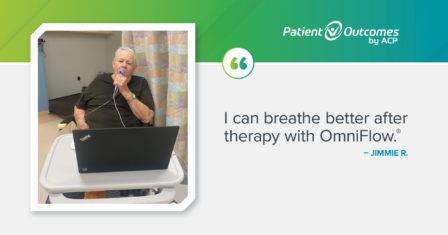
Image of Jimmie R., an older male patient, using Accelerated Care Plus' OmniFlow Breathing Therapy Biofeedback System.

Patient Testimonial – Jimmie R.

Jimmie has a history of COPD, requiring oxygen therapy. Following COVID-19, he had increased difficulty breathing, requiring a higher level of oxygen and needed assistance with wheelchair mobility. As a result of therapy, including OmniFlow™ Breathing Therapy Biofeedback System, he is back to his pre-COVID level of oxygen therapy, and he can self-propel his wheelchair.

I can breathe better after therapy with OmniFlow™.

Jimmie R.

POT-00014

Jimmie has a history of COPD, requiring oxygen therapy. Following COVID-19, he had increased difficulty breathing, requiring a higher level of oxygen and needed assistance with wheelchair mobility. As a result of therapy, including OmniFlow™ Breathing Therapy Biofeedback System, he is back to his pre-COVID level of oxygen therapy, and he can self-propel his wheelchair.

I can breathe better after therapy with OmniFlow™.