Tag: cardiopulmonary rehab

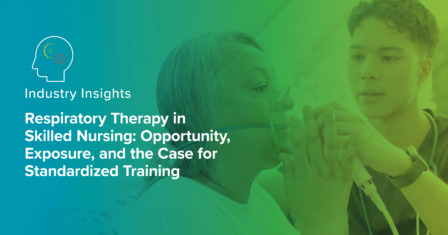
Respiratory Therapy in Skilled Nursing: Opportunity, Exposure, and the Case for Standardized Training

Respiratory Therapy in Skilled Nursing: Opportunity, Exposure, and the Case for Standardized Training

Respiratory therapy has become one of the most consequential clinical and financial pressure points in skilled nursing today. For providers operating under PDPM, it represents a genuine opportunity to capture reimbursement that reflects the true complexity of the patients they serve. It also represents one of the fastest-growing areas of audit exposure in the industry.

Getting it right requires more than good intentions. It requires trained staff, standardized processes, and documentation that withstands scrutiny.

The Opportunity

Respiratory conditions sit at the intersection of diagnoses most likely to drive skilled nursing admissions. Chronic Obstructive Pulmonary Disease (COPD), and other pulmonary conditions are associated with high hospitalization rates, elevated nursing intensity, and significant non-ancillary costs—all of which factor into PDPM reimbursement.

Industry experts estimate that up to 50% of today’s nursing home patients may genuinely meet the threshold for a Respiratory Special Care High designation. Even a routine daily nebulizer treatment averages 17 minutes to administer, not including assessment, monitoring, and cleanup.

The Exposure is Growing

According to Alicia Cantinieri, Managing Director at Zimmet Healthcare Services Group, the Respiratory Special Care High designation has been identified as a key driver of audit findings and denials, not because care isn’t being delivered, but because providers frequently fail to capture required indicators or maintain documentation needed to support their claims. As more states convert Medicaid case mix systems to PDPM-aligned models, that risk is expanding. Auditors expect specific physician orders detailing modality, frequency, duration, and scope. They look for evaluations conducted by qualified personnel with verifiable credentials and training to match. Gaps in any of these areas don’t just create compliance risk. They leave reimbursement on the table.

What Strong Respiratory Programs Have in Common

Providers who successfully capture the clinical and reimbursement value of respiratory care share a few things in common: standardized risk assessment built into the care process, staff trained to use a consistent definition of skilled care need, a clear escalation pathway for patients whose conditions change, and documented staff credentials that support audit defense.

The Role of Education and Credentialing

This is where training becomes a strategic priority, not just a compliance requirement. Staff who understand respiratory assessment, intervention, and documentation don’t just reduce audit risk; they deliver better care. When that training is credentialed by a recognized authority, it carries weight with auditors and administrators alike. Two ACP courses approved by the American Association for Respiratory Care (AARC), are designed to build exactly that foundation:

  • Pulmonary Essentials – Assessment and Intervention (1.5 CEUs): Covers the clinical assessment skills and intervention strategies essential to respiratory care in the post-acute setting, giving staff a consistent, trainable framework for identifying need and responding appropriately.
  • Pulmonary Essentials – Spirometry (1CEU): Focuses on one of the most important diagnostic and monitoring tools in respiratory care, ensuring staff understand how spirometry is performed, how results are interpreted, and how findings support care planning and documentation.

Together, these courses address the full picture: qualified teams, standardized assessment, and documented, credentialed training that supports both quality outcomes and audit defense.

How ACPlus® Respiratory Assessment Supports the Whole Picture

Meeting the standard for respiratory care documentation requires a reliable, standardized process that starts at admission and carries through every reassessment. That’s exactly what ACPlus® Respiratory Assessment (ARA) is built to deliver.

ARA is an innovative solution that enables skilled nursing operators to proactively identify patients with pulmonary dysfunction using objective, data-driven assessment. Using an iPad and Bluetooth spirometer, clinicians can conduct breathing tests at the bedside, capture baseline metrics, and receive automated suggestions for possible lung disease patterns and severity levels. This gives the care team the precise data needed to build an individualized treatment plan from day one.
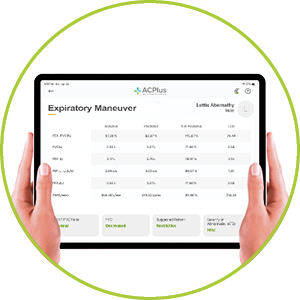
ARA’s objective data provides the robust documentation required to justify respiratory care and support reimbursement, addressing one of the most consistent failure points auditors identify. And because ARA integrates seamlessly with PointClickCare and MatrixCare, results sync automatically at the point of service, helping to reduce documentation burden and ensuring nothing falls through the cracks.

Building Programs that Last

Respiratory therapy isn’t a reimbursement strategy. It’s a clinical service that, when delivered well, meaningfully improves patient outcomes and reduces hospitalizations. The providers who approach it that way — investing in training, standardizing processes, and capturing care accurately — are the ones best positioned to realize its full value.

MRK-BLOG-042

Respiratory therapy has become one of the most consequential clinical and financial pressure points in skilled nursing today. For providers operating under PDPM, it represents a genuine opportunity to capture reimbursement that reflects the true complexity of the patients they serve. It also represents one of the fastest-growing areas of audit exposure in the industry.
Surge Rehabilitation and Nursing Pioneers ACP Facility Certification

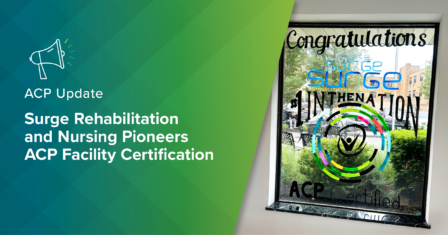
Surge Rehabilitation and Nursing Pioneers ACP Facility Certification 

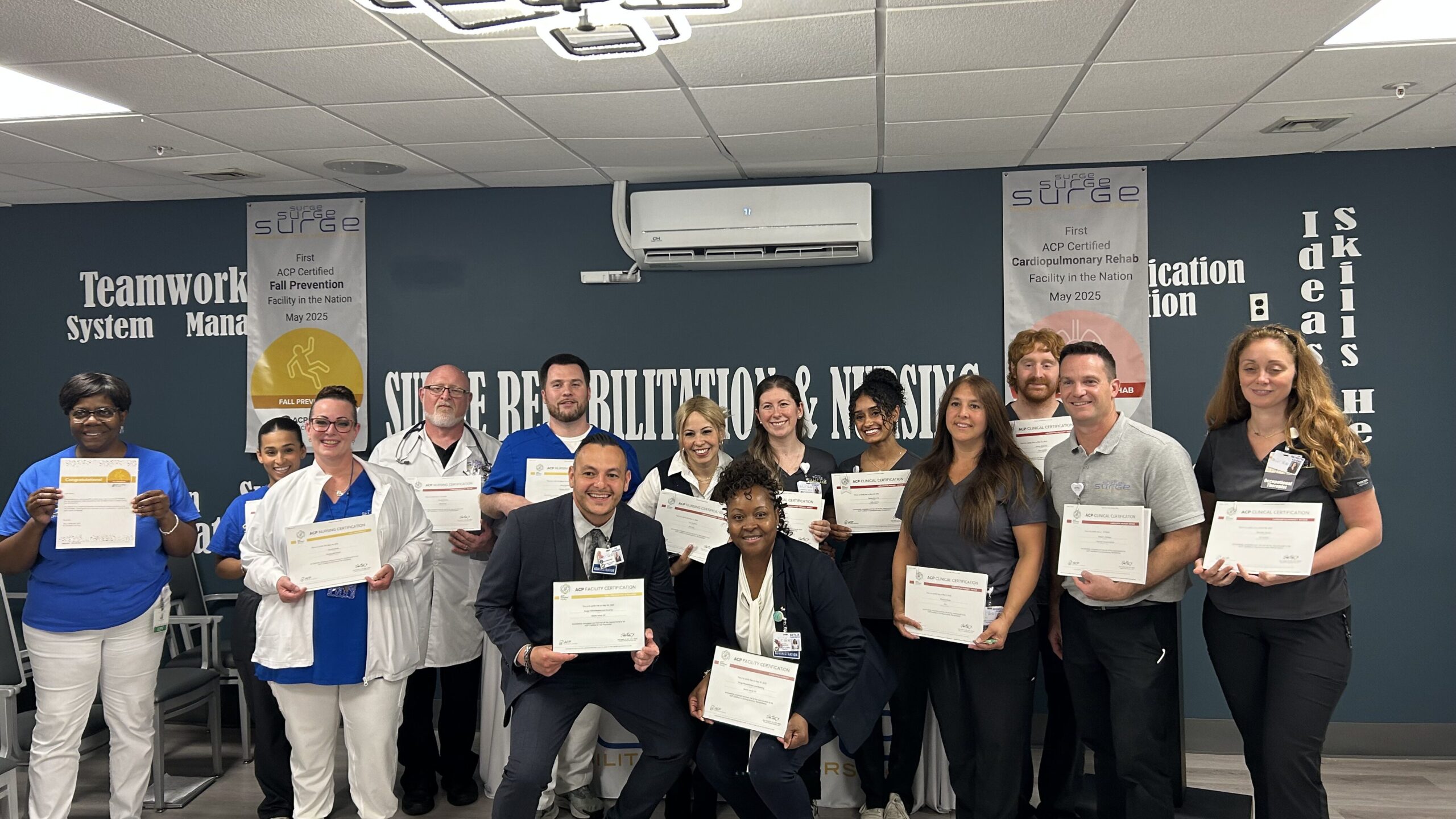
Last year, we launched the ACP Certified program to help our partners enhance their clinical expertise, improve patient outcomes, and stand apart in their communities. Since then, it has been our pleasure to see rehab and nursing clinicians across the country find value in becoming certified—for themselves and their patients. We are thrilled to share that Surge Rehabilitation and Nursing in Middle Island, NY, has become the first facility in the nation to achieve ACP Certification in both Cardiopulmonary Rehab and Fall Prevention. This remarkable achievement underscores Surge’s commitment to clinical excellence and innovation in post-acute care.

Elevating Cardiopulmonary Care 

To become ACP Certified in Cardiopulmonary Rehab, Surge’s staff demonstrated excellence in specialized therapy interventions and clinical protocols and in integrating advanced technology to support cardiopulmonary recovery and long-term management.

Following extensive training and the implementation of evidence-based practices, Surge reported the following improvements in patient outcomes:

  • 54% of patients required less supplemental oxygen by discharge
  • 84% of patients showed improvement in BORG score from admission to discharge, indicating reduced perceived breathlessness
  • Average increase in ambulation distance from admission to discharge was 93 feet, reflecting endurance and functional mobility gains
  • Average length of stay decreased from 52 days to 37 days, showing increased efficiency and care delivery
  • 93% of patients demonstrated improvement in Timed Up and Go (TUG) scores, indicating better functional mobility

“This certification is a milestone and affirmation of a promise to our residents and families that we deliver the highest level of cardiopulmonary care available today,” said Ahmed Joudah, Administrator of Surge Rehabilitation and Nursing.

Leading the Way in Fall Prevention

Falls are a significant risk for older adults, and Surge is taking a proactive, interdisciplinary approach to reduce risk and optimize clinical outcomes. Since implementing the evidence-based practices outlined in the Fall Prevention certification, the Surge team has achieved notable improvements: 

  • Average increase in ambulation distance of 56 feet from admission to discharge 
  • 81% of patients demonstrated improvement in TUG scores, and 30-second sit-to-stand scores improved by 5 repetitions, showing better functional mobility and reduced fall risk 

In their program reflection, they had this to share:  

“…participating in the ACP Fall Prevention Program has been a transformative journey for [their] interdisciplinary team, enhancing not only [their] clinical outcomes but also [their] communication, collaboration, and shared commitment to resident safety. One of the most critical elements that [they] have embraced is the importance of clear and consistent communication across all disciplines, ensuring that every team member – from therapists to nursing staff to physicians – is aligned on goals, strategies, and individual resident needs.”

Celebrating Clinical Excellence

As an ACP-certified facility, Surge continues to lead by example in clinical excellence, ongoing education, and interdisciplinary collaboration. This dual certification is not just a milestone for Surge but also ACP, and we are grateful for their exemplary partnership and dedication to better patient outcomes. 

It has been an incredible experience to witness the journey of ACP Certification, from its initial concept and development to its successful launch, culminating in the achievement of the first two facility certifications by Surge. The staff and administration at Surge are committed to ensuring the individuals under their care receive the best possible care, using all available resources to maximize clinical outcomes.

Kelly Contreras, Senior Manager, Remote Clinical Services

MRK-BLOG-027

Since launching the ACP Certified program, it has been our pleasure to see rehab and nursing clinicians nationwide find value in becoming certified. We are thrilled to share that Surge Rehabilitation and Nursing in Middle Island, NY, has become the first facility in the nation to achieve ACP Certification. Read on to learn how their Cardiopulmonary Rehab and Fall Prevention certifications are enhancing patient care.

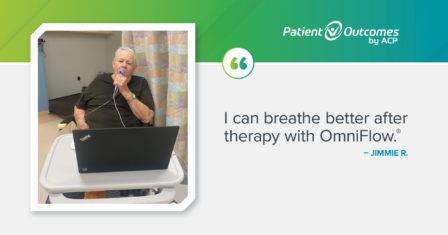
Image of Jimmie R., an older male patient, using Accelerated Care Plus' OmniFlow Breathing Therapy Biofeedback System.

Patient Testimonial – Jimmie R.

Jimmie has a history of COPD, requiring oxygen therapy. Following COVID-19, he had increased difficulty breathing, requiring a higher level of oxygen and needed assistance with wheelchair mobility. As a result of therapy, including OmniFlow™ Breathing Therapy Biofeedback System, he is back to his pre-COVID level of oxygen therapy, and he can self-propel his wheelchair.

I can breathe better after therapy with OmniFlow™.

Jimmie R.

POT-00014

Jimmie has a history of COPD, requiring oxygen therapy. Following COVID-19, he had increased difficulty breathing, requiring a higher level of oxygen and needed assistance with wheelchair mobility. As a result of therapy, including OmniFlow™ Breathing Therapy Biofeedback System, he is back to his pre-COVID level of oxygen therapy, and he can self-propel his wheelchair.

I can breathe better after therapy with OmniFlow™.

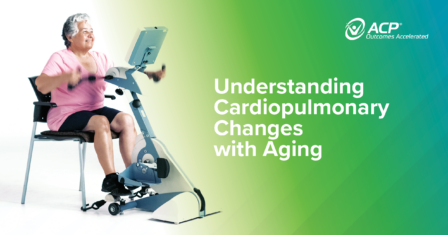
Image of an older woman using Accelerated Care Plus' OmniCycle over a blue and green background with text that reads "Understanding Cardiopulmonary Changes with Aging."

Understanding Cardiopulmonary Changes with Aging

February is American Heart Month, a time for healthcare professionals and clinicians to focus on their role in helping patients manage their cardiovascular health. As we age, our bodies go through many changes, and our cardiovascular system is no exception. Fortunately, there are plenty of ways we can help our geriatric patients maintain their health and vitality.

It is essential for therapists to understand the physiological aging process and its effects on cardiopulmonary function when treating patients with age-related comorbidities. By familiarizing ourselves with the changes that come with age, we can build an effective preventative and therapeutic approach for our patients that enhances the impact of our care and improves our patients’ quality of life.

The Aging Cardiopulmonary System and Functional Implications for Therapists

Aging can cause a myriad of changes in the heart and blood vessels that can increase a person’s risk of heart disease. As we get older, our cardiopulmonary function is impacted in the following ways:

Decreased

  • Maximum aerobic capacity
  • Maximum heart rate/Cardiac Output
  • Capillary density
  • Arterial distensibility
  • Pacemaker cells in the sinoatrial node
  • Baroreceptor sensitivity
  • Lung elastic recoil
  • Vital capacity, tidal volume
  • Alveolar surface area
  • Respiratory muscle strength

Increased

  • Left ventricular wall thickness
  • HR/BP response to submax exercise
  • Total cholesterol, LDL
  • Peripheral vascular disease
  • Stiffness of the chest wall
  • Residual volume

The functional implications of these changes include decreased exercise capacity, an increase in the work of respiratory muscles, a lower threshold for shortness of breath, and postural hypotension.

With the right tools and interventions, clinicians can help aging patients build up their strength and endurance, increase circulation, increase their aerobic capacity, and enhance their quality of life. ACP offers a comprehensive Cardiopulmonary Program focused on building strength, neuromuscular function, and overall fitness, as well as several continuing education courses for our partners through ACP University that explore rehabilitation for patients with cardiopulmonary compromise in more detail, including:  

  • Aerobic Exercise for Aging Adults 
  • Chronic Heart Failure and Rehab 
  • Chronic Obstructive Pulmonary Disease (COPD) 
  • Pulmonary Essentials – Assessment and Intervention 
  • Pulmonary Essentials – Spirometry 
  • Pulmonary Interventions – Advanced Rehab Technologies 
  • Cardiopulmonary Program Interdisciplinary Approach (Nursing Home Administrator CE) 

By deepening our understanding of cardiopulmonary care, we can make a profound difference in the health and well-being of our aging patients. 

If you are interested in learning more about our Cardiopulmonary Program, scheduling training, accessing these courses, or simply want more information on this topic, please reach out to your Clinical Program Consultant.  

References:  

  1. Moffat, M. (May 2013). Certification as Exercise Experts for Aging Adults: Courses 1
  1. Lewis, C., Bottomley, J. (2008) Geriatric Rehabilitation: A Clinical Approach. Upper Saddle River, NJ: Pearson Prentice Hall