Respiratory Therapy in Skilled Nursing: Opportunity, Exposure, and the Case for Standardized Training
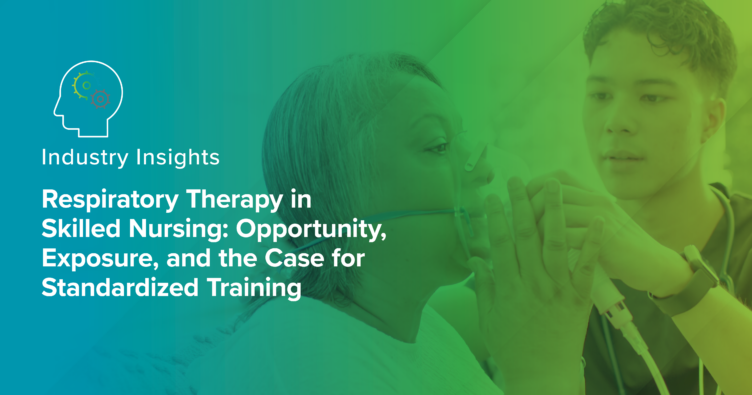
Respiratory therapy has become one of the most consequential clinical and financial pressure points in skilled nursing today. For providers operating under PDPM, it represents a genuine opportunity to capture reimbursement that reflects the true complexity of the patients they serve. It also represents one of the fastest-growing areas of audit exposure in the industry.
Getting it right requires more than good intentions. It requires trained staff, standardized processes, and documentation that withstands scrutiny.
The Opportunity
Respiratory conditions sit at the intersection of diagnoses most likely to drive skilled nursing admissions. Chronic Obstructive Pulmonary Disease (COPD), and other pulmonary conditions are associated with high hospitalization rates, elevated nursing intensity, and significant non-ancillary costs—all of which factor into PDPM reimbursement.
Industry experts estimate that up to 50% of today’s nursing home patients may genuinely meet the threshold for a Respiratory Special Care High designation. Even a routine daily nebulizer treatment averages 17 minutes to administer, not including assessment, monitoring, and cleanup.
The Exposure is Growing
According to Alicia Cantinieri, Managing Director at Zimmet Healthcare Services Group, the Respiratory Special Care High designation has been identified as a key driver of audit findings and denials, not because care isn’t being delivered, but because providers frequently fail to capture required indicators or maintain documentation needed to support their claims. As more states convert Medicaid case mix systems to PDPM-aligned models, that risk is expanding. Auditors expect specific physician orders detailing modality, frequency, duration, and scope. They look for evaluations conducted by qualified personnel with verifiable credentials and training to match. Gaps in any of these areas don’t just create compliance risk. They leave reimbursement on the table.
What Strong Respiratory Programs Have in Common
Providers who successfully capture the clinical and reimbursement value of respiratory care share a few things in common: standardized risk assessment built into the care process, staff trained to use a consistent definition of skilled care need, a clear escalation pathway for patients whose conditions change, and documented staff credentials that support audit defense.
The Role of Education and Credentialing
This is where training becomes a strategic priority, not just a compliance requirement. Staff who understand respiratory assessment, intervention, and documentation don’t just reduce audit risk; they deliver better care. When that training is credentialed by a recognized authority, it carries weight with auditors and administrators alike. Two ACP courses approved by the American Association for Respiratory Care (AARC), are designed to build exactly that foundation:
- Pulmonary Essentials – Assessment and Intervention (1.5 CEUs): Covers the clinical assessment skills and intervention strategies essential to respiratory care in the post-acute setting, giving staff a consistent, trainable framework for identifying need and responding appropriately.
- Pulmonary Essentials – Spirometry (1CEU): Focuses on one of the most important diagnostic and monitoring tools in respiratory care, ensuring staff understand how spirometry is performed, how results are interpreted, and how findings support care planning and documentation.
Together, these courses address the full picture: qualified teams, standardized assessment, and documented, credentialed training that supports both quality outcomes and audit defense.
How ACPlus® Respiratory Assessment Supports the Whole Picture
Meeting the standard for respiratory care documentation requires a reliable, standardized process that starts at admission and carries through every reassessment. That’s exactly what ACPlus® Respiratory Assessment (ARA) is built to deliver.
ARA is an innovative solution that enables skilled nursing operators to proactively identify patients with pulmonary dysfunction using objective, data-driven assessment. Using an iPad and Bluetooth spirometer, clinicians can conduct breathing tests at the bedside, capture baseline metrics, and receive automated suggestions for possible lung disease patterns and severity levels. This gives the care team the precise data needed to build an individualized treatment plan from day one.
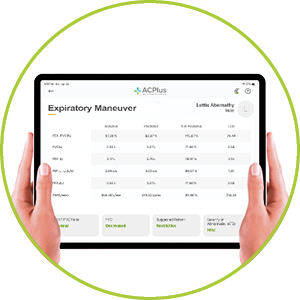
ARA’s objective data provides the robust documentation required to justify respiratory care and support reimbursement, addressing one of the most consistent failure points auditors identify. And because ARA integrates seamlessly with PointClickCare and MatrixCare, results sync automatically at the point of service, helping to reduce documentation burden and ensuring nothing falls through the cracks.
Building Programs that Last
Respiratory therapy isn’t a reimbursement strategy. It’s a clinical service that, when delivered well, meaningfully improves patient outcomes and reduces hospitalizations. The providers who approach it that way — investing in training, standardizing processes, and capturing care accurately — are the ones best positioned to realize its full value.
Explore ACP’s Virtual Courses
Live and on-demand learning through ACP University is available for PTs, OTs, SLPs, nurses, and NHAs looking to earn CE credit while gaining the knowledge to make informed, evidence-based decisions for their patients.
MRK-BLOG-042
Respiratory therapy has become one of the most consequential clinical and financial pressure points in skilled nursing today. For providers operating under PDPM, it represents a genuine opportunity to capture reimbursement that reflects the true complexity of the patients they serve. It also represents one of the fastest-growing areas of audit exposure in the industry.
Latest Updates
Subscribe to stay up-to-date on our latest posts.