Tag: vr exercise

Closing the Wellness Gap in AL/IL Communities

Closing the Wellness Gap in AL/IL Communities

Assisted living (AL) and independent living (IL) communities have made meaningful investments in wellness programming over the years. From group fitness classes to on-site therapy services, many residents are well supported. And yet, a large resident population continues to fall through the cracks. These residents live in what we call the wellness gap.

The wellness gap includes residents who don’t meet the criteria for skilled therapy services but are vulnerable to decline. They may be unable to participate in more traditional fitness programs like Zumba, yet still need supportive movement to maintain strength, balance, cognition, and independence. This group is larger than many operators realize, and it represents one of the most important and addressable opportunities for senior living communities today.

Why the Wellness Gap Matters 

Residents in the wellness gap are often stable on paper, but they also aren’t building or maintaining the functional strength and mobility needed to age confidently in place. 

This leads to predictable outcomes: weakness, increased fall risk, social withdrawal, and eventual transitions to higher levels of care. This progression impacts not only resident well-being, but also length of stay, care costs, and the ability to deliver on a promised wellness experience. 

Where Traditional Wellness Programs Fall Short

Many wellness programs are unintentionally designed for residents who are already active, confident movers. Group classes like walking clubs or aerobics can feel intimidating, and limited staffing often makes it difficult to provide individualized support. As a result, residents in the wellness gap disengage—not because they don’t care about their health, but because the available programming doesn’t meet them where they are. To effectively support this population, communities need wellness solutions that are approachable, engaging, and adaptable across a wide range of abilities.

Closing the Gap with Technology 

This is where immersive wellness technology plays a critical role. ACP provides wellness solutions designed specifically for older adults that support gentle, approachable movement.

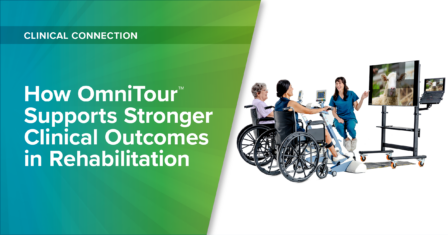
For residents in the wellness gap, tech-enabled experiences can be especially effective. Solutions like OmniVR® use game-inspired activities to support balance, coordination, strength, and cognitive engagement. With OmniTour™, routine cycling becomes an immersive journey that allows residents of all abilities to explore the world while exercising safely. Because these activities feel more like play than traditional exercise, residents who may otherwise opt out are far more likely to participate.

Drive Better Outcomes

By acting proactively, operators can intervene before decline sets in. When residents engage in regular, meaningful movement, communities can help: 

  • Reduce fall risk and prevent avoidable hospitalizations 
  • Support cognitive health and social connection 
  • Slow transitions to higher levels of care 
  • Demonstrate real wellness value to residents and families 

In a competitive market, these outcomes matter. Prospective residents and families want communities that offer more than amenities and take a proactive, inclusive approach to healthy aging. 

A More Inclusive Vision of Wellness

Wellness programs shouldn’t only serve the most active residents or those who qualify for therapy. The true measure of success is how well a community supports everyone. By investing in accessible, engaging wellness technologies, AL/IL communities can close the wellness gap, strengthen outcomes, and reinforce their commitment to helping residents thrive in place.

MRK-BLOG-037

Assisted living (AL) and independent living (IL) communities have made meaningful investments in wellness programming over the years. From group fitness classes to on-site therapy services, many residents are well supported. And yet, a large resident population continues to fall through the cracks. These residents live in what we call the wellness gap.

Reducing Fall Risk with Virtual Reality Exercise

Reducing Fall Risk with Virtual Reality Exercise 

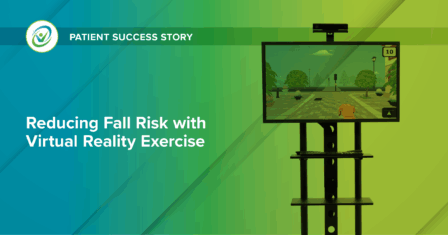
This 71-year-old woman experienced nine falls in one week and a urinary tract infection (UTI) that resulted in a five-day hospitalization. Following her hospital stay, she required increased assistance with all functional tasks. Before this hospitalization, she lived with her grandchildren and was able to independently walk, navigate stairs, and complete all functional activities, including meal preparation.  

To restore her functional abilities, she was referred to a skilled nursing facility for rehabilitation services. 

Therapy Protocol

Physical & Occupational Therapy

  • 5x/week x 2 weeks

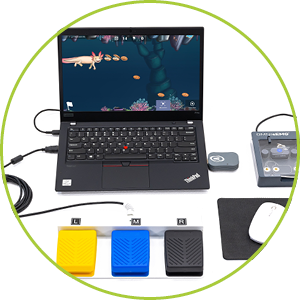
OmniVR® Virtual Rehabilitation System 

  • Transfer training using Bingo virtual reality (VR) exercise 
  • Balance and gait using City Walk VR exercise 

Additional Interventions 

  • Gait training, balance training, and therapeutic exercise 

OmniVR® Virtual Rehabilitation System 

OmniVR®

Virtual Reality Rehabilitation System

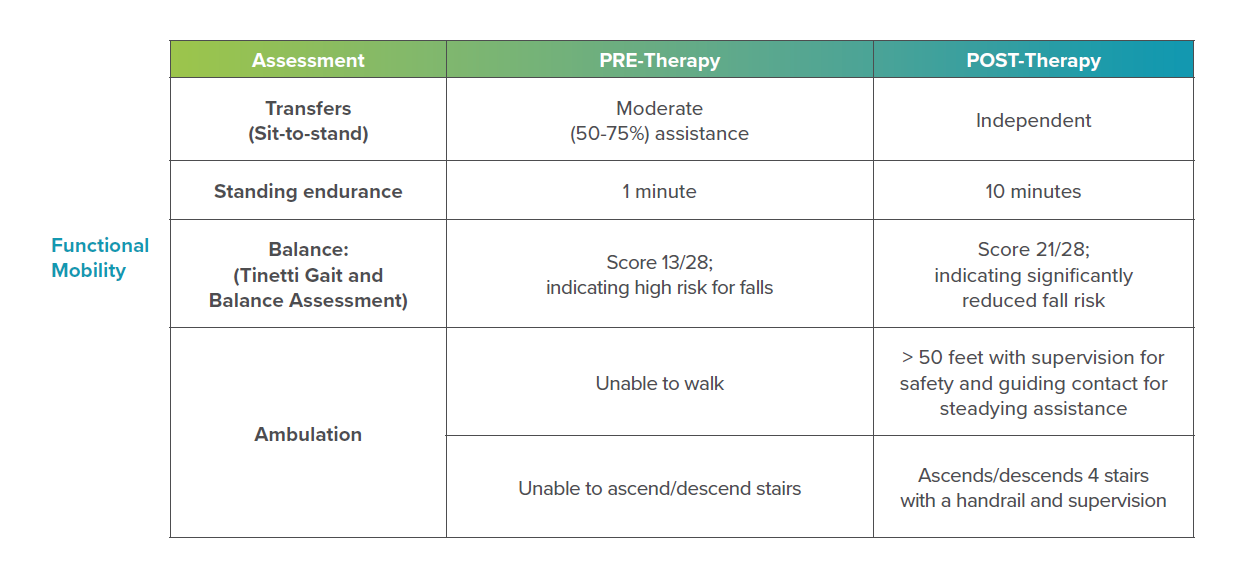
After only two weeks of physical and occupational therapy, this patient was able to sit-to-stand independently, stand longer, walk and use stairs, and significantly reduce her fall risk. 

Reducing Fall Risk with Virtual Reality Exercise 

This patient was very happy she progressed so quickly with therapy and that she was able to return home with her family’s support. Her therapists feel the OmniVR really helped improve her ability to get up from the chair and walk. 

I really like competing with the other patients on Bingo!

Patient

MRK-BLOG-029

This 71-year-old patient experienced nine falls within a week and a urinary tract infection that resulted in a five-day hospitalization. Following her hospital stay, she required increased assistance with all functional tasks. Before this hospitalization, she lived with her grandchildren and could independently walk, navigate stairs, and complete all functional activities, including meal preparation. To restore her functional abilities, she was referred to a skilled nursing facility for rehabilitation services. Learn how her care team used virtual reality exercise to regain her mobility.

Virtual Reality Rehabilition: Improving Strength and Functional Mobility

Virtual Reality Rehabilition: Improving Strength and Functional Mobility 

While battling kidney cancer, this 72-year-old patient began experiencing weakness, foot drop, coordination deficits, and an unsteady gait. Before being referred to a skilled nursing facility for rehabilitation service, he lived at home with his wife, ambulated with a walker, and required some assistance with self-care.

Therapy Protocol

Physical & Occupational Therapy

  • 3-5x/week x 8 weeks

OmniVR® Virtual Rehabilitation System

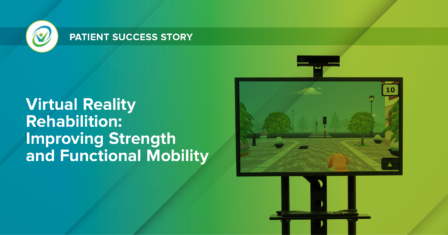
  • Virtual reality exercise performed using Carnival, Bingo, and Picnic activities with progression in intensity and resistance to increase arm and leg strength

Additional Interventions

  • Training in transfers and gait; self-care management 

OmniVR®

Virtual Rehabilitation System

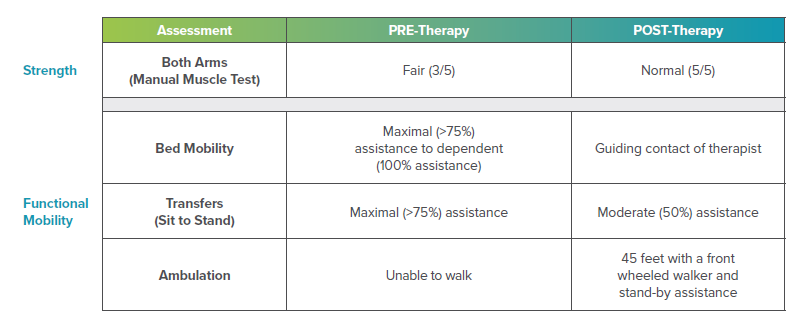
Following the 8-week rehabilitation program, enhanced with virtual reality, the patient demonstrated notable progress: 

Virtual Reality Rehabilition: Improving Strength and Functional Mobility

The patient’s therapist shared that he made significant progress in strength and functional mobility using OmniVR®’s virtual exercise activities, allowing him to achieve his goal of returning home with his wife!  

MRK-BLOG-022

While battling kidney cancer, this 72-year-old patient began experiencing weakness, foot drop, coordination deficits, and an unsteady gate. Before being referred to a skilled nursing facility for rehabilitation service, he lived at home with his wife, ambulated with a walker, and required some assistance with self-care. Find out how his therapy team used virtual reality rehabilitation to help get him home.