Tag: skilled nursing

Elevating Dysphagia Treatment Through Biofeedback

The highlights:

  • Dysphagia has an outsized impact on older adults within nursing homes, with 75% experiencing some degree of dysphagia symptoms. 
  • Biofeedback could play a role in helping elevate dysphagia treatment. 
  • ACP’s Synchrony Dysphagia Solutions offers powerful sEMG biofeedback for effectively treating and managing dysphagia in older adults. 

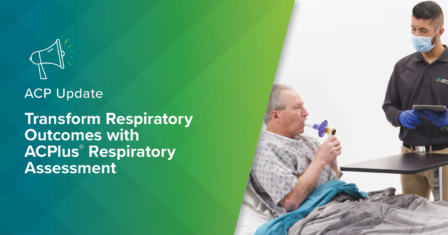
June is National Dysphagia Awareness Month, a time to raise awareness around a swallowing disorder that impacts up to 33% of older adults and 75% of nursing home residents.1 Widely defined as “swallowing difficulties,” dysphagia is a serious condition that can increase the risk for other illnesses, malnutrition, and mortality. Despite the prevalence and impact of dysphagia, particularly among older adults, broader discussions have been happening around the need for standardization and unification around the definition, screening, assessment, diagnosis, treatment, and management of this common disorder. Biofeedback could play a role in helping elevate dysphagia treatment.   

Exploring the Benefits of Biofeedback in Dysphagia Care

Elevating Dysphagia Treatment Through Biofeedback

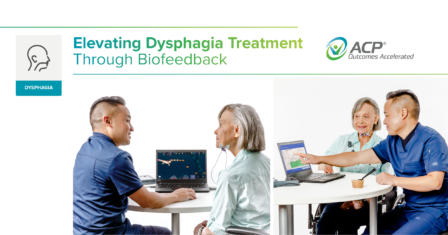
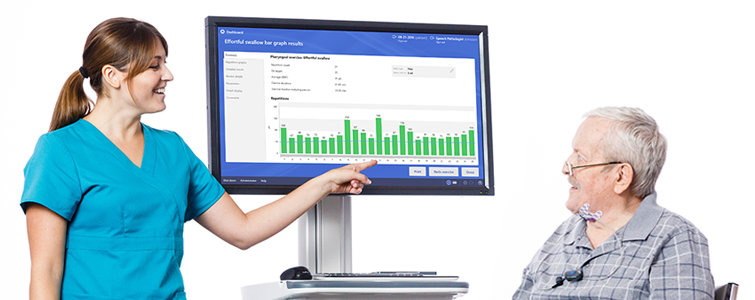
In conjunction with traditional Speech-Language Pathologist (SLP) therapy techniques such as diet modification, compensation strategies, and direct swallowing exercises, biofeedback provided by technologies like Synchrony Dysphagia Solutions becomes an asset in treating dysphagia in older adults. Using real-time data about swallowing function, clinicians can improve the effectiveness of treatment. 

Generally speaking, biofeedback in dysphagia treatment can help with: 

  1. Objective Measurement: Biofeedback can provide objective measurements of swallowing function, such as timing of swallow events, and coordination of swallow movements. This objective data can help SLPs track progress over time.
  2. Customized Therapy: With biofeedback, clinicians can better tailor dysphagia therapy to each patient’s specific needs. By identifying areas of swallowing impairment through instrumental assessments, SLPs can implement targeted exercises to improve swallowing strength and efficiency.
  3. Immediate Feedback: Real-time feedback during swallowing exercises enables patients to adjust their swallowing patterns in response to visual or auditory cues. This immediate feedback helps patients understand their swallowing function and learn to adapt accordingly.
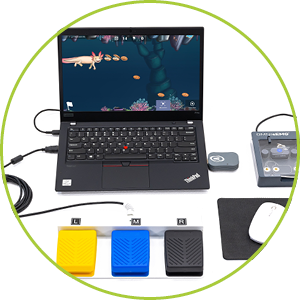
  4. Motivation and Engagement: Biofeedback, especially when gamified through virtual reality, can enhance patient engagement in their therapy. Seeing improvements in swallowing function on a biofeedback display can be highly motivating for patients, encouraging them to continue with their therapy regimen.
  5. Standardized Protocols: Biofeedback can help standardize treatment protocols for dysphagia by providing a common framework for assessment and intervention. By using standardized measurement techniques and protocols, SLPs can ensure consistency in the evaluation and treatment of their patients with dysphagia. This ultimately enhances the quality of care provided to patients and promotes evidence-based practice in dysphagia management.

Leverage Biofeedback with Synchrony Dysphagia Solutions by ACP®

Designed specifically for SLPs and their patients, ACP’s Synchrony Dysphagia Solutions combines surface electromyography (sEMG) biofeedback and patterned electrical stimulation (PENS) with a virtual environment to engage patients in fun, interactive swallowing and speech exercises. It enables therapists and patients to visualize swallowing and speech activity with instant biofeedback that can help improve the accuracy and effectiveness of dysphagia treatment, drive behavioral changes, and lead to better patient outcomes.  

Synchrony

Dysphagia Solutions by ACP

  1. Thiyagalingam, S., Kulinski, A., Thorsteinsdottir, K., Shindelar, K., & Takahashi, P. (2021). Dysphagia in Older Adults. Thematic Review on Aging. Mayo Clinic Proceedings, 96(2), 488-497. Retrieved [2024, June 5] from https://www.mayoclinicproceedings.org/article/S0025-6196(20)30902-2/pdf  ↩︎

MRK-BLOG-006

June is National Dysphagia Awareness Month, a time to raise awareness around a swallowing disorder that impacts up to 33% of older adults and 75% of nursing home residents. Widely defined as “swallowing difficulties,” dysphagia is a serious condition that can increase the risk for other illnesses, malnutrition, and mortality. Despite the prevalence and impact of dysphagia, particularly among older adults, broader discussions have been happening around the need for standardization and unification around the definition, screening, assessment, diagnosis, treatment, and management of this common disorder. Learn how biofeedback could play a role in elevating dysphagia treatment.   

Restoring Strength and Self-Care with Dynamic Balance and Virtual Rehab Technologies

Restoring Strength and Self-Care with Dynamic Balance and Virtual Rehab Technologies

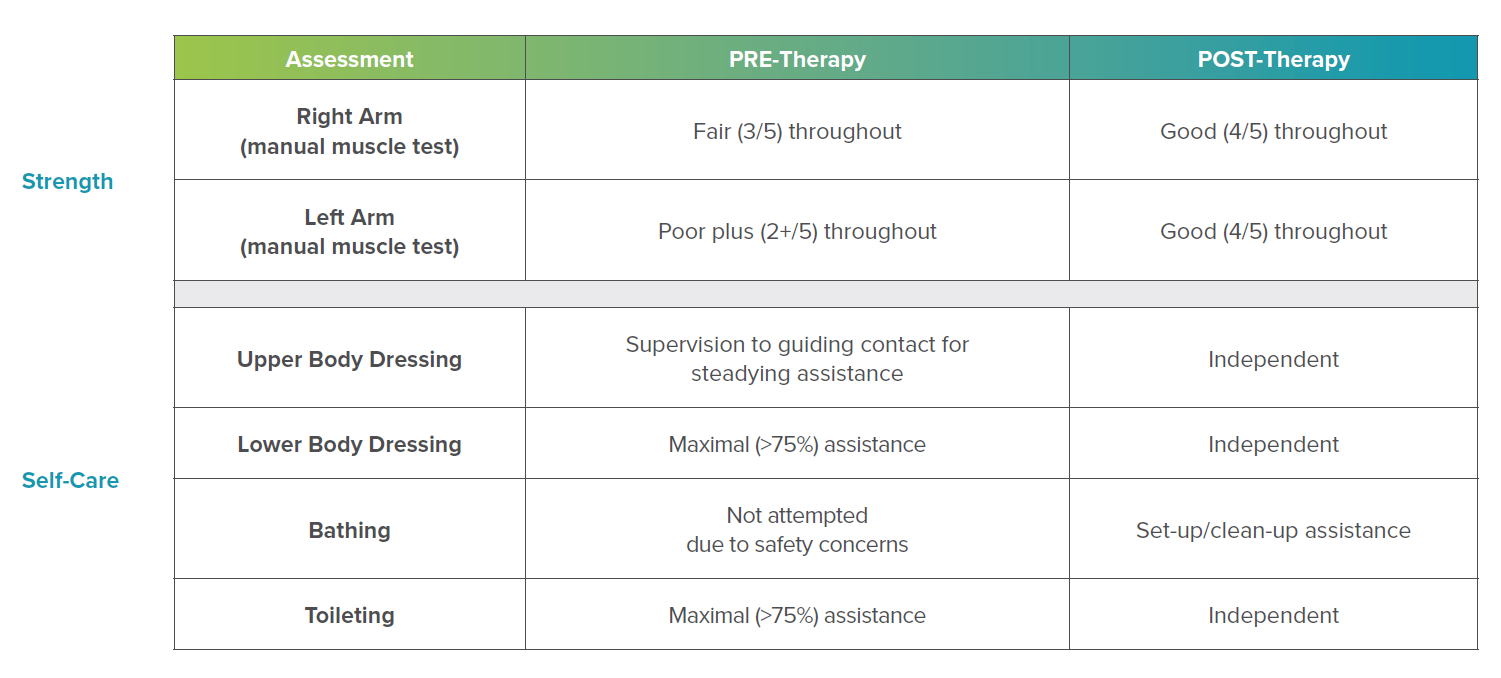
A 75-year-old woman was admitted to a skilled nursing facility with weakness and inability to perform self-care following hospitalization for spinal abscess and resulting C7-L2 laminectomy (spinal surgery). Prior to hospitalization, she lived in a one-story home, used a rollator walker, and performed self-care tasks independently.


Therapy Protocol

Occupational Therapy

  • 5x/week x 9 weeks

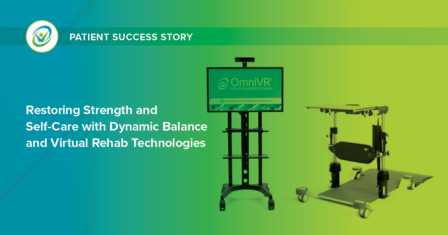
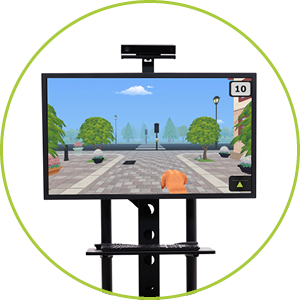
OmniVR® Virtual Rehabilitation System

  • OmniVR® virtual reality exercise performed using Bingo, Carnival, and Picnic activities to increase strength and endurance.

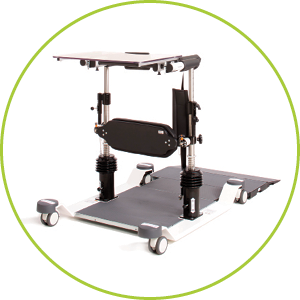
OmniStand® Dynamic Balance System

  • Static and dynamic balance training with OmniStand® for improved control during self-care activities.

Additional Interventions

  • Training for strength, balance, and transfers; self-care management.

OmniVR®

Virtual Rehabilitation

OmniStand®

Dynamic Balance System

The therapist reports that this woman performed OmniVR® activities with a high level of engagement and enjoyment:

During the picnic activity, she kept requesting to repeat the exercise in order to achieve zero errors. She met all her goals, allowing her to return home!

MRK-BLOG-005

A 75-year-old woman was admitted to a skilled nursing facility with weakness and inability to perform self-care following hospitalization for spinal abscess and resulting C7-L2 laminectomy (spinal surgery). Prior to hospitalization, she lived in a one-story home, used a rollator walker, and performed self-care tasks independently. Discover how her care team used OmniVR and OmniStand to help her regain her strength and return home.

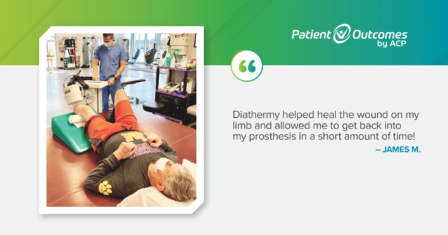
Patient Testimonial – James M.

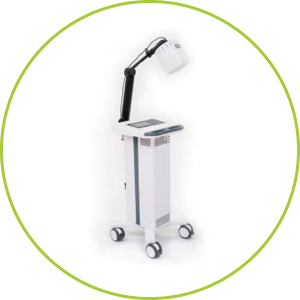
James had his left lower leg amputated due to a history of diabetes. During prosthetic training, he developed a blood-filled blister (wound) on his residual limb and was unable to continue wearing the prosthesis. He was treated with OmniSWD® for wound healing as part of therapy, and in only four days, his blister was completely healed!

Diathermy helped heal the wound on my limb and allowed me to get back into my prosthesis in a short amount of time!

James M.

POT-00002