Tag: Independent Living

Closing the Gap: Bringing Evidence-Based Care to Life in Skilled Nursing

Closing the Gap: Bringing Evidence-Based Care to Life in Skilled Nursing

Delivering better outcomes in skilled nursing facilities (SNFs) starts with closing the gap between what the evidence supports and what’s happening in practice. High-intensity resistance (HIR) training is one clear example: well-supported by research for improving physical function, reducing length of stay (LOS), and increasing discharge rates to the community, yet consistently underutilized in favor of low-load, high-repetition approaches that don’t sufficiently challenge aging skeletal muscle.

That gap doesn’t close on its own. A 2026 study examining dedicated efforts to implement HIR in SNFs confirms what experienced clinicians already know — the intervention is only part of the equation. How it gets implemented determines whether it actually sticks.

Implementation Science Has an Answer

Research in implementation science points to a clear framework for driving sustainable practice change known as ERIC (Expert Recommendations for Implementing Change). It’s built on four pillars:

  1. Train and educate partners
  2. Provide interactive assistance
  3. Support clinicians
  4. Change infrastructure

Sustained adoption of evidence-based interventions requires layered, ongoing support that builds knowledge and confidence over time.

Support Structures that Drive Adoption

Clinician self-efficacy is one of the strongest predictors of whether a new intervention gets adopted and sustained. And the factors that build it are consistent: clinical reference sheets that reduce cognitive load and provide accessible patient safety guidance, video demonstrations, electronic case examples, and — critically — ongoing feedback that reinforces strengths and offers targeted suggestions for improvement.

Regular check-ins and structured learning activities matter too. They create accountability, sustain momentum, and signal to clinicians that the work they’re doing is being supported, not just expected.

Educational outreach — having a trained, knowledgeable person present in the facility, providing real-time guidance — is one of the most effective tools for improving adherence to evidence-based interventions.

Available resources and leadership engagement remain the most significant barriers and facilitators. Facilities that lack either tend to default to the familiar, regardless of the evidence.

The ACP Model

For providers partnering with Accelerated Care Plus (ACP), much of this will sound familiar because the ACP model is built around exactly these principles.

At the center of that model is the Clinical Program Consultant (CPC). ACP’s CPCs provide ongoing training, mentoring, and support through on-site and virtual consultations, delivering the kind of real-time, relationship-based guidance the research identifies as most effective for driving adherence. CPCs work directly with facility teams to integrate evidence-based clinical programs and identify opportunities and strategies to drive better outcomes, addressing both the resource and leadership variables that often determine whether implementation succeeds or stalls.

The education infrastructure behind that partnership is equally built for sustained adoption. ACP’s continuing education program includes 34 proprietary courses taught by Clinical Program Consultants either on-site or via virtual platforms, plus 600+ online courses available through ACP University. Interdisciplinary courses are offered for therapists, nursing staff, and nursing home administrators, supporting the cross-disciplinary alignment that implementation science consistently identifies as essential. Beyond formal CE courses, ACP’s non-CE training materials and targeted burst content keep clinicians connected to current evidence between courses, sustaining the momentum that structured check-ins help build.

Ongoing assessment of clinical needs drives the development of customized intervention strategies focused on improving patient and facility performance on important quality measures. Not a one-size-fits-all program, but a partnership calibrated to what each facility and care team actually needs.

The ERIC framework describes what best-practice implementation looks like. ACP has been building and refining that model in SNF partnerships for years. The research is catching up with what our partners have been experiencing firsthand.

MRK-BLOG-045

Research supports high-intensity resistance training for improving outcomes in skilled nursing facilities, yet it remains widely underutilized. A 2026 study confirms what experienced clinicians already know: getting the intervention right is only half the work. How it gets implemented determines whether it sticks.

Closing the Wellness Gap in AL/IL Communities

Closing the Wellness Gap in AL/IL Communities

Assisted living (AL) and independent living (IL) communities have made meaningful investments in wellness programming over the years. From group fitness classes to on-site therapy services, many residents are well supported. And yet, a large resident population continues to fall through the cracks. These residents live in what we call the wellness gap.

The wellness gap includes residents who don’t meet the criteria for skilled therapy services but are vulnerable to decline. They may be unable to participate in more traditional fitness programs like Zumba, yet still need supportive movement to maintain strength, balance, cognition, and independence. This group is larger than many operators realize, and it represents one of the most important and addressable opportunities for senior living communities today.

Why the Wellness Gap Matters 

Residents in the wellness gap are often stable on paper, but they also aren’t building or maintaining the functional strength and mobility needed to age confidently in place. 

This leads to predictable outcomes: weakness, increased fall risk, social withdrawal, and eventual transitions to higher levels of care. This progression impacts not only resident well-being, but also length of stay, care costs, and the ability to deliver on a promised wellness experience. 

Where Traditional Wellness Programs Fall Short

Many wellness programs are unintentionally designed for residents who are already active, confident movers. Group classes like walking clubs or aerobics can feel intimidating, and limited staffing often makes it difficult to provide individualized support. As a result, residents in the wellness gap disengage—not because they don’t care about their health, but because the available programming doesn’t meet them where they are. To effectively support this population, communities need wellness solutions that are approachable, engaging, and adaptable across a wide range of abilities.

Closing the Gap with Technology 

This is where immersive wellness technology plays a critical role. ACP provides wellness solutions designed specifically for older adults that support gentle, approachable movement.

For residents in the wellness gap, tech-enabled experiences can be especially effective. Solutions like OmniVR® use game-inspired activities to support balance, coordination, strength, and cognitive engagement. With OmniTour™, routine cycling becomes an immersive journey that allows residents of all abilities to explore the world while exercising safely. Because these activities feel more like play than traditional exercise, residents who may otherwise opt out are far more likely to participate.

Drive Better Outcomes

By acting proactively, operators can intervene before decline sets in. When residents engage in regular, meaningful movement, communities can help: 

  • Reduce fall risk and prevent avoidable hospitalizations 
  • Support cognitive health and social connection 
  • Slow transitions to higher levels of care 
  • Demonstrate real wellness value to residents and families 

In a competitive market, these outcomes matter. Prospective residents and families want communities that offer more than amenities and take a proactive, inclusive approach to healthy aging. 

A More Inclusive Vision of Wellness

Wellness programs shouldn’t only serve the most active residents or those who qualify for therapy. The true measure of success is how well a community supports everyone. By investing in accessible, engaging wellness technologies, AL/IL communities can close the wellness gap, strengthen outcomes, and reinforce their commitment to helping residents thrive in place.

MRK-BLOG-037

Assisted living (AL) and independent living (IL) communities have made meaningful investments in wellness programming over the years. From group fitness classes to on-site therapy services, many residents are well supported. And yet, a large resident population continues to fall through the cracks. These residents live in what we call the wellness gap.

ACP Brings Innovative Wellness Solutions to Assisted and Independent Living

ACP Brings Innovative Wellness Solutions to Assisted and Independent Living 

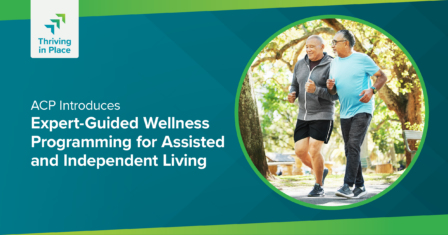
ACP is expanding into the assisted living and independent living markets, bringing our evidence-based wellness technologies to new care environments where they can help residents stay active, engaged, and thriving.  

This expansion builds on more than 25 years of clinical experience supporting skilled nursing and rehabilitation facilities. By applying the same trusted technologies and therapeutic exercise principles to active aging populations, ACP is helping senior living communities strengthen their wellness offerings and stand out among the competition.

Enhancing Resident Wellness Through Engaging Technology 

Today’s older adults are living longer, more active lives, and they’re looking for environments that help them stay well—mentally and physically. Purposeful movement, social interaction, and a sense of autonomy are essential components of healthy aging. ACP’s suite of wellness technologies enables communities to deliver just that. 

Designed specifically for seniors, our wellness technologies support movement, connection, and independence to help residents age confidently in place. Safe, durable, and backed by exceptional support, our immersive tools help senior living communities enhance wellness experiences and strengthen well-being. 

OmniCycle® Connect Advanced Active-Assist Cycle 

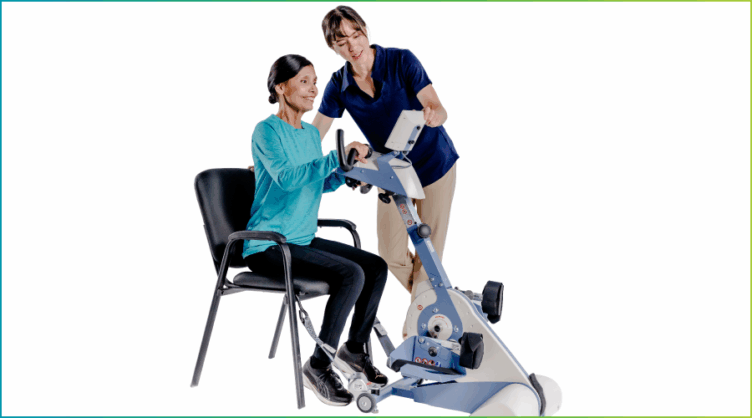
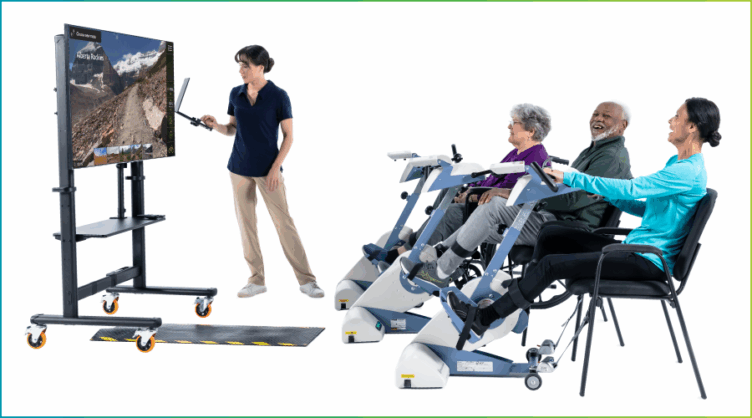
The OmniCycle® Connect brings safe, supportive movement to your residents, no matter their ability level. With motor-assist technology and adjustable settings, this innovative cycle meets riders where they are, helping them stay active with minimal strain. Whether residents are working on maintaining mobility, improving circulation, or simply enjoying daily movement, the OmniCycle makes it easier to keep going.   

OmniTour™ Virtual Exercise Experience 

The OmniTour™ Virtual Exercise Experience brings the joy of outdoor cycling indoors with immersive virtual landscapes that make every workout an adventure. Residents can pedal through beautiful scenery while staying active and engaged alongside friends and neighbors. By seamlessly connecting with multiple OmniCycle Connect devices, OmniTour creates engaging group exercise sessions that keep residents motivated, connected, and looking forward to their next workout. 

OmniVR® Immersive Virtual Reality Exercise System     

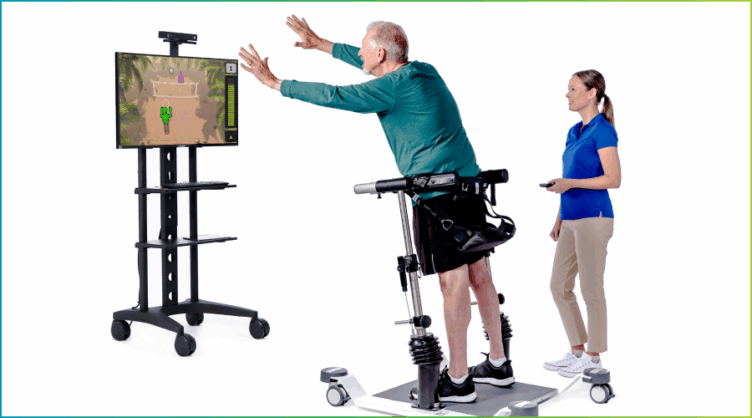
The OmniVR® offers seniors a fun, interactive way to stay active, sharp, and socially engaged. Designed specifically for older adults, this easy-to-use system uses motion-sensing technology to let residents move, play, and interact in a safe virtual environment. With game-like activities that gently challenge both body and brain, OmniVR supports mobility, balance, memory, and strength.   

OmniFlow® Breathing Exercise Biofeedback System 

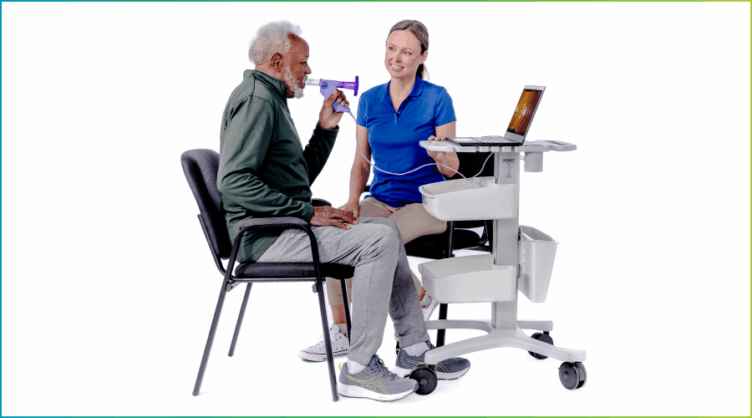
The OmniFlow® turns basic breathing exercises into an engaging, interactive experience designed to support respiratory health in older adults. By combining gentle airflow monitoring with game-like immersive virtual environments, OmniFlow helps promote lung strength, relaxation, and endurance—key contributors to staying active and independent.    

Support Active Aging in Your Community

This expansion into assisted and independent living reflects our commitment to helping enhance seniors’ quality of life through safe exercise grounded in decades of clinical expertise. Our equipment is designed for ease of use and supported by ACP’s unmatched service. By partnering with ACP, you can be among the first to introduce innovative, evidence-based technologies that set your community apart and help residents thrive. 

MRK-BLOG-030

ACP is expanding into the assisted and independent living markets, bringing our proven wellness technologies to help residents stay active and engaged. Learn how this next chapter builds on 25 years of clinical experience supporting better outcomes in senior care.