Tag: breathing therapy

OmniFlow® in Action: Restoring Speech, Confidence, and Connection

OmniFlow® in Action: Restoring Speech, Confidence, and Connection 

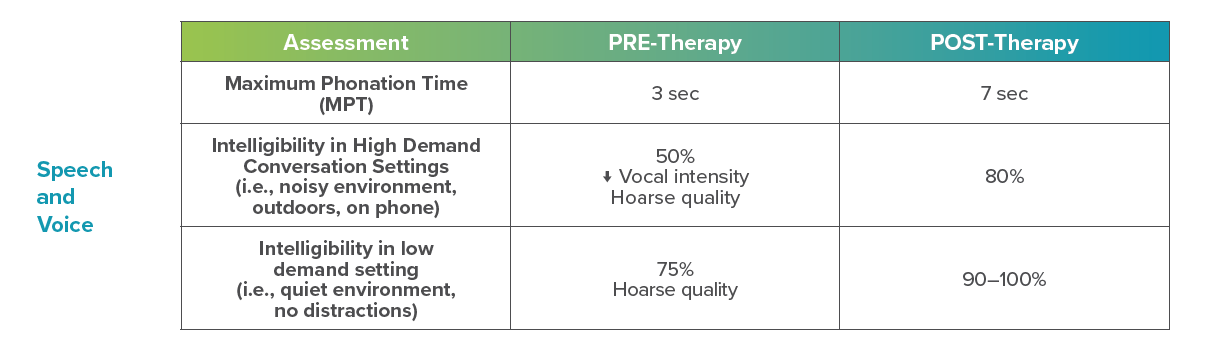
After undergoing coronary artery bypass graft (CABG) surgery, a 78-year-old gentleman faced a difficult recovery that impacted his voice and speech. Multiple falls left him vulnerable, and his most recent fall resulted in a head injury that required hospitalization and a referral to a skilled nursing facility for rehabilitation. 

The patient expressed concerns that his voice and speech had changed after his fall, which was negatively impacting his ability to engage socially. Due to these concerns, he was evaluated by speech-language pathologists and referred to speech therapy.  

Therapy Protocol

Speech Therapy

  • 3x/week x 4 weeks

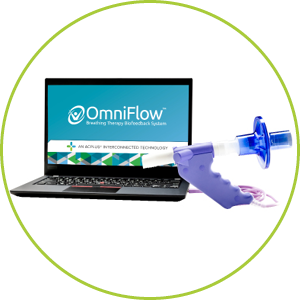
OmniFlow® Breathing Therapy Biofeedback System 

  • Controlled inspiratory lung volume – Diamond Mine
  • Forced expiratory lung volume – Prehistoric Contest

Patient Education 

  • Good vocal hygiene to improve vocal quality

OmniFlow®Breathing Therapy Biofeedback System

OmniFlow®

Breathing Therapy Biofeedback System

OmniFlow® in Action: Restoring Speech, Confidence, and Connection 

The patient and his significant other were happy that through therapy, he was able to regain his confidence and clarity of speech. The patient was able to engage in social activities he had avoided, such as talking on the phone, speaking around others at the rehab gym, and conversing with unfamiliar people.  

I found having the graphics and game-like aspect vs. numbers on a screen very useful and positive. I feel it was challenging to me and helped my lungs expand to help with my voice.

Patient

After a serious heart surgery and multiple falls, this 78-year-old patient found himself struggling not only with physical recovery but also with changes to his voice and speech that made social interactions difficult. In our latest blog post, we share how his care team used OmniFlow to help him regain his voice and confidence.

MRK-BLOG-033

Advancing COPD Rehabilitation with Innovative Respiratory Care Solutions

Advancing COPD Rehabilitation with Innovative Respiratory Care Solutions 

November is Chronic Obstructive Pulmonary Disease (COPD) Awareness Month, a reminder of the growing need for effective respiratory rehabilitation strategies. COPD impacts more than 16 million Americans—1 in 8 adults age 45 and older—with many more who have gone undiagnosed. It affects the ability to breathe, leads to long-term disability, and significantly affects quality of life.1 For clinicians, this highlights the importance of comprehensive respiratory care that includes both assessment and targeted intervention. 

ACPlus® Respiratory Assessment & OmniFlow® in COPD Rehabilitation

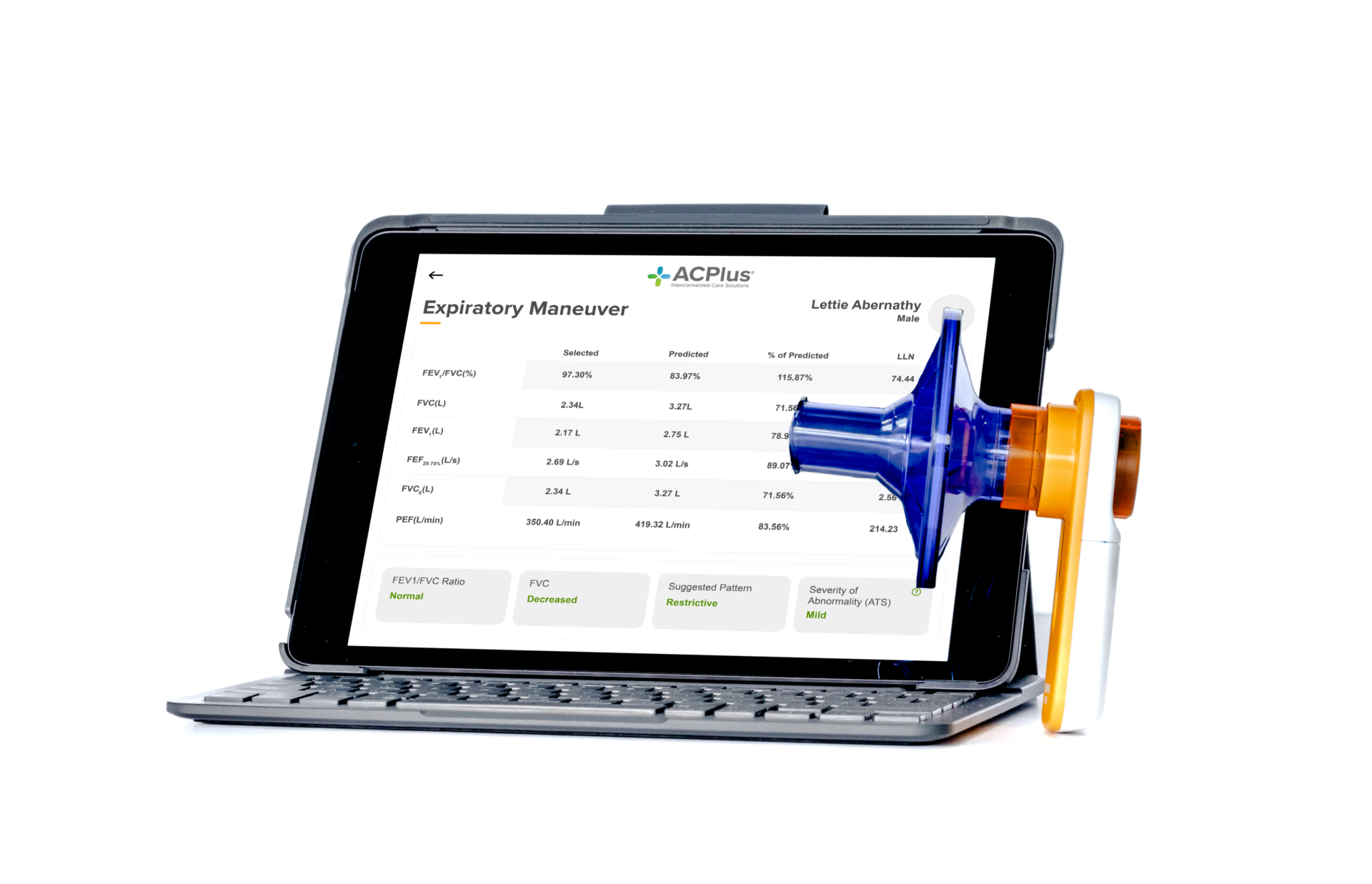
Effective COPD rehabilitation begins with an accurate assessment. The ACPlus® Respiratory Assessment (ARA) is designed to help clinicians proactively identify undiagnosed respiratory deficits, including early signs of COPD. Using an iPad and Bluetooth spirometer, clinicians can conduct quick, data-driven breathing tests that capture inspiratory and expiratory lung volume and flow metrics, which can be used to determine the patient’s baseline status and monitor treatment effectiveness over time. 

ARA interprets this data to suggest possible lung disease patterns and severity levels, providing clinicians with actionable insights. It can also help detect when a patient with COPD may be approaching a flare-up, allowing for timely intervention and care planning. By identifying deficits early, clinicians can tailor therapy strategies that align with each patient’s respiratory capacity and functional goals. 

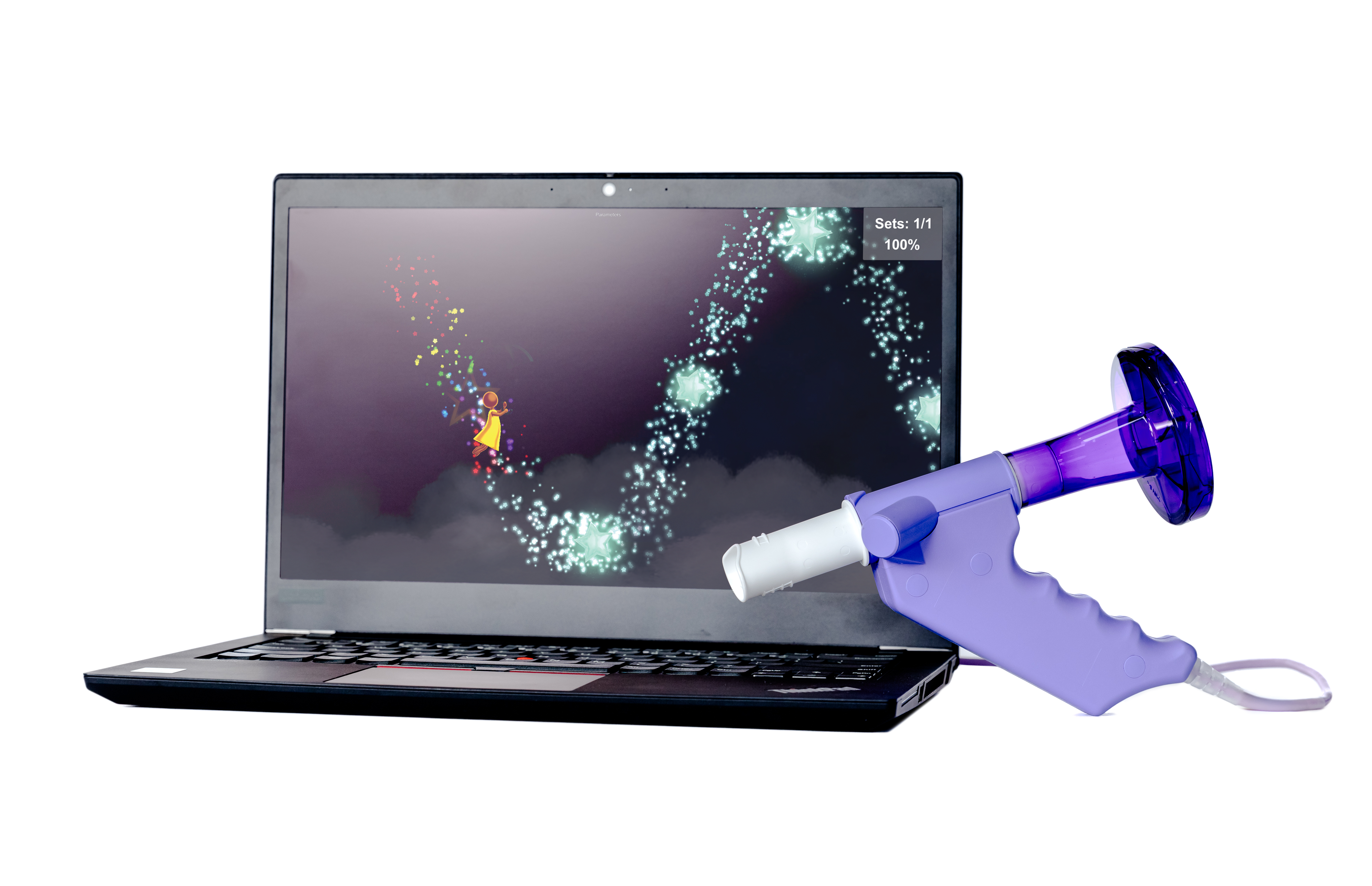
Once a treatment plan is established, the OmniFlow® Breathing Therapy Biofeedback System serves as an engaging and measurable intervention tool. Patients can complete various respiratory exercises in a fun, virtual environment: 

Forced Inhalation:

Improves inspiratory muscle power & inspiratory vital capacity (IVC)

Forced Exhalation:

Targets expiratory breathing

Rhythmic Breathing:

Focuses on rhythmical inspiratory and expiratory breathing

Controlled Expiration:

Improves controlled expiratory volume and flow

ACBT/Huff Technique:

Teaches patients the Active Cycle of Breathing (ACBT)/Huff technique to clear lung secretions

For patients with COPD in particular, targeted inspiratory muscle training paired with endurance training has been shown to enhance inspiratory muscle function and balance.2 

OmniFlow also provides real-time visual feedback on performance to motivate patients to improve control and consistency. The objective inhalation and exhalation data OmniFlow provides helps clinicians better assess the patient’s condition and develop more effective treatment plans.

From Assessment to Intervention 

By identifying respiratory deficits early and delivering engaging, data-informed therapy, clinicians can help patients with COPD experience improved function, reduced flare-ups, and greater quality of life. Together, ARA and OmniFlow can help patients with COPD breathe, move, and live better.

MRK-BLOG-032

November is Chronic Obstructive Pulmonary Disease (COPD) Awareness Month, a reminder of the growing need for effective respiratory rehabilitation strategies. COPD impacts more than 16 million Americans—1 in 8 adults age 45 and older—with many more who have gone undiagnosed. It affects the ability to breathe, leads to long-term disability, and significantly affects quality of life. For clinicians, this highlights the importance of comprehensive respiratory care that includes both assessment and targeted intervention.

Breathing Therapy After Stroke: Enhancing Recovery & Quality of Life

Breathing Therapy After Stroke: Enhancing Recovery & Quality of Life 

Stroke is a debilitating condition that can cause significant muscle weakness throughout the body, including the muscles responsible for respiration. This can severely impact a patient’s ability to perform daily activities. Respiratory dysfunction occurs in 60% of stroke cases—what’s more, research has found an association between post-stroke apnea and cognitive decline.1  Fortunately, innovative devices like the ACPlus® Respiratory Assessment (ARA) and OmniFlow® Breathing Therapy Biofeedback System are designed to proactively identify and address these respiratory issues, enhancing recovery and improving quality of life for stroke patients. 

Proactively Identifying Breathing Issues with ACPlus® Respiratory Assessment (ARA) 

Stroke-induced respiratory dysfunction (SIRD) is associated with a higher 1-year mortality rate and worse functional outcomes, making it critical to catch as early as possible. ACPlus Respiratory Assessment (ARA) is uniquely designed to help clinicians proactively identify undiagnosed respiratory deficits. A clinician can conduct breathing tests that capture baseline metrics using an iPad and Bluetooth spirometer. ARA interprets that data to suggest possible lung disease patterns and severity levels. The clinical team can then use that data to develop the best treatment plan for that patient.

Delivering Targeted Interventions with OmniFlow® 

Once respiratory deficits are identified, targeted interventions can be initiated. The OmniFlow Breathing Therapy Biofeedback System offers a variety of engaging exercises designed to improve respiratory muscle function, including: 

OmniFlow Breathing Therapy Biofeedback System
  • Rhythmic Breathing: Focuses on rhythmical inspiratory and expiratory breathing 
  • Deep Inhalation: Improves inspiratory muscle power and inspiratory vital capacity (IVC) 
  • Forced Expiration: Targets expiratory muscle power 
  • Controlled Expiration: Improves controlled expiratory volume and flow 
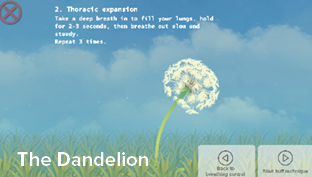
  • ACBT/Huff Technique: Teaches patients the Active Cycle of Breathing (ACBT)/Huff technique to clear secretions from the lungs 

OmniFlow provides valuable inhalation and exhalation data, helping clinicians better assess the patient’s condition and guide their treatment accordingly.

Benefits of Breathing Therapy Post-Stroke 

Incorporating clinically appropriate breathing therapy into post-stroke rehabilitation offers numerous benefits. Respiratory muscle training effectively improves pulmonary function, strength of expiratory and inspiratory muscles, and walking ability, which can help patients perform daily activities more efficiently.2 Better respiratory control can also reduce the risk of complications like pneumonia. Including innovative tools like ARA and OmniFlow in treatment plans can help stroke patients recover faster and more effectively.

  1. 1. Patrizz, A., El Hamamy, A., Maniskas, M., Munshi, Y., Atadja, L., Ahnstedt, H., Howe, M., Mulkey, D., McCullough, L., & Li, J. (2023). Stroke-induced respiratory dysfunction is associated with cognitive decline. Stroke, 54(7), 1863-1874. https://doi.org/10.1161/STROKEAHA.122.041239  ↩︎
  2. 2. Pozuelo Carrascosa, D., Carmona-Torres, J.M., Alberto Laredo-Aguilera, J.A., Pedro Ángel Latorre Román, P.A., Párraga Montilla, J. A., Cobo-Cuenca, A.I. (2020). Effectiveness of respiratory muscle training for pulmonary function and walking ability in patients with stroke: A systematic review with meta-analysis. International Journal of Environmental Research and Public Health, 17(15), 5356. https://doi.org/10.3390/ijerph17155356 ↩︎

MRK-BLOG-025

Did you know that respiratory dysfunction occurs in 60% of stroke cases? What’s more, research has found an association between post-stroke apnea and cognitive decline. Fortunately, innovative devices like the ACPlus Respiratory Assessment (ARA) and OmniFlow Breathing Therapy Biofeedback System are designed to proactively identify and address these respiratory issues, enhancing recovery and improving quality of life for stroke patients.

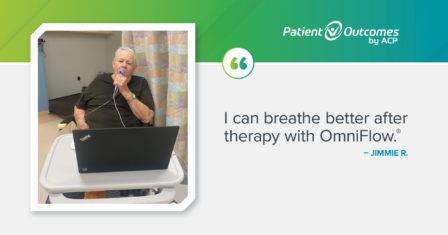
Image of Jimmie R., an older male patient, using Accelerated Care Plus' OmniFlow Breathing Therapy Biofeedback System.

Patient Testimonial – Jimmie R.

Jimmie has a history of COPD, requiring oxygen therapy. Following COVID-19, he had increased difficulty breathing, requiring a higher level of oxygen and needed assistance with wheelchair mobility. As a result of therapy, including OmniFlow™ Breathing Therapy Biofeedback System, he is back to his pre-COVID level of oxygen therapy, and he can self-propel his wheelchair.

I can breathe better after therapy with OmniFlow™.

Jimmie R.

POT-00014

Jimmie has a history of COPD, requiring oxygen therapy. Following COVID-19, he had increased difficulty breathing, requiring a higher level of oxygen and needed assistance with wheelchair mobility. As a result of therapy, including OmniFlow™ Breathing Therapy Biofeedback System, he is back to his pre-COVID level of oxygen therapy, and he can self-propel his wheelchair.

I can breathe better after therapy with OmniFlow™.